In recent years, the term “Spike Protein” has become widely discussed, especially during the COVID-19 era, because this protein serves both as a key mechanism that the virus uses to enter human cells and as a main component of newer-generation vaccines that help stimulate the immune system to effectively fight COVID-19.
On one hand, the “Spike Protein” is considered an “important tool” that enables the immune system to recognize the virus and build immunity quickly upon real infection. On the other hand, if the “Spike Protein” remains in the body for too long or stimulates the immune system more than necessary, it may contribute to chronic inflammation, leading to symptoms such as fatigue, brain fog, insomnia, body aches, or conditions similar to Long COVID.
In addition, there have been medical reports indicating that Spike Protein may be associated with vasculitis, myocarditis, brain fog, and autoimmune-like responses. Such information has been published in international medical journals, including studies by Patone et al. (2021) in Nature, Pretorius et al. (2022) in Circulation Research, and Wang et al. (2023) in Frontiers in Immunology, which support these findings.
All of these reflect an “internal imbalance” within the body that should be properly evaluated and restored.
Therefore, understanding both the “benefits and precautions” of “Spike Protein” will help us take more comprehensive care of our health.

Table of Contents
What Is Spike Protein?
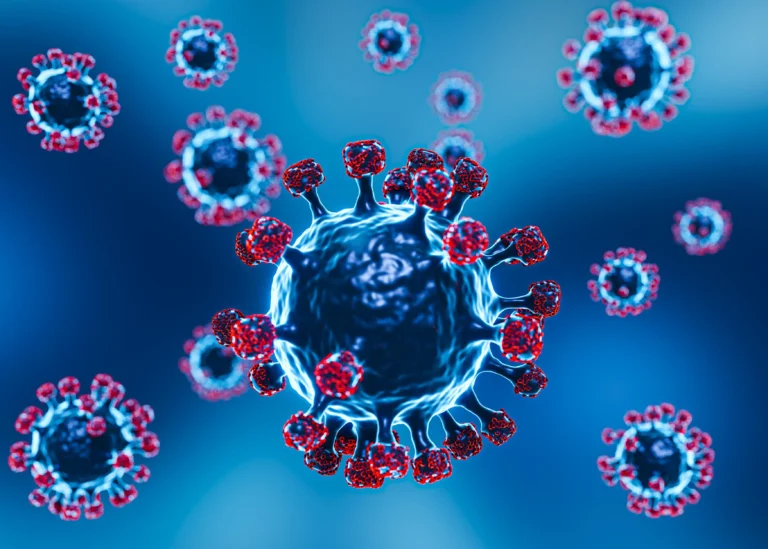
Spike Protein is a type of protein located on the surface of the coronavirus (SARS-CoV-2). It functions like a “key” that unlocks and enters human cells. It binds to the ACE2 receptor, which is found in cells of the respiratory tract, lungs, heart, blood vessels, and liver, before delivering genetic material into the cell to replicate, causing infection and symptoms of COVID-19.
Conversely, scientists have utilized the structure of Spike Protein for positive purposes in the development of mRNA vaccines such as Pfizer and Moderna. The genetic code of the spike protein is used as a “template” to allow the body to learn and build immunity on its own, without exposure to the actual virus.

How Is Spike Protein Related to COVID-19?
The relationship between Spike Protein and COVID-19 exists both during “infection” and “after vaccination.” When the body is infected with SARS-CoV-2, our cells may produce Spike Protein as part of the response to the virus. Some of these proteins can trigger inflammation in various systems of the body, such as blood vessels, the heart, and the nervous system.
On the other hand, mRNA vaccines such as Pfizer or Moderna are designed to prompt the body to produce a small amount of Spike Protein in order to stimulate the immune system to learn and recognize the virus. When exposed to the real virus, the body can respond more quickly and protect against the disease more effectively.
However, in some individuals, Spike Protein produced from infection or vaccination may remain in the body for too long, especially in those with immune imbalance or pre-existing chronic inflammation. This may lead to symptoms such as fatigue, brain fog, body aches, or Long COVID.
For this reason, testing for Spike Protein Antibody levels is important, as it helps assess immunity levels after infection or vaccination and detect potential risks from spike proteins that may remain in the body in excessive amounts or for prolonged periods. This allows for appropriate planning of health care and recovery.
What Are the Side Effects of Spike Protein?
1. Effects on the Vascular System (Endothelial Dysfunction & Microclots)
Several studies, such as Pretorius et al., 2022 (Frontiers in Cardiovascular Medicine), found that Spike Protein may cause inflammation and imbalance of the vascular lining (Endothelial Dysfunction).
- May lead to the formation of small blood clots (microclots)
- Affects blood circulation and oxygen delivery in the body
- Linked to symptoms of “chronic fatigue and dizziness” in Long COVID patients
2. Effects on the Heart (Myocarditis / Pericarditis)
Reports from Patone et al., 2021 (Nature Medicine) and data from the CDC VAERS Database (2021–2022) found an association between Spike Protein and heart muscle inflammation in certain groups, particularly adolescent males after receiving mRNA vaccines.
- Common symptoms include chest tightness, palpitations, and fatigue
- Most cases resolve with appropriate medical care

3. Effects on the Brain and Nervous System (Neuroinflammation / Brain Fog)
Research from Rhea et al., 2023 (Cell Reports Medicine) found that in some cases, Spike Protein may cross the blood-brain barrier and potentially trigger inflammation in the brain.
- This may explain why some individuals experience “brain fog,” slowed thinking, or short-term memory issues after COVID-19
- Also associated with depression or anxiety following infection
4. Effects on the Immune System (Autoimmunity & Immune Dysregulation)
Data from Wang et al., 2022 (Journal of Clinical Immunology) reported that Spike Protein may stimulate the production of autoantibodies or cause the immune system to mistakenly recognize the body’s own tissues.
- This may lead to autoimmune-like symptoms
- Such as joint pain, skin rashes, hair loss, or thyroid abnormalities

5. Effects on Mitochondria and Cellular Energy (Cellular Energy Impairment)
Research from Singh et al., 2023 (Biochemical and Biophysical Research Communications) found that Spike Protein may interfere with the function of mitochondria, which are the primary source of energy production in cells.
- May lead to chronic fatigue
- May affect metabolism and hormones in the long term
Symptoms Potentially Associated with Spike Protein
After the body produces or is exposed to Spike Protein—whether from COVID-19 infection or mRNA vaccination—the immune system begins working immediately to eliminate the protein from the body. However, in some individuals, especially those with immune imbalance or pre-existing chronic inflammation, Spike Protein may remain in the body longer than normal, even exceeding one year, and may trigger “cellular-level inflammation.” This may be reflected in various symptoms that many people may not realize are associated with Spike Protein Antibody levels.
Physical Symptoms
- Fatigue or exhaustion despite adequate sleep
- Body aches, joint stiffness, or muscle inflammation
- Palpitations, chest tightness, dizziness, or numbness in the hands and feet
- Digestive disturbances, bloating, abdominal tightness, or frequent gas
- Allergy-like symptoms or new sensitivities to substances previously tolerated

Brain and Nervous System Symptoms
- Brain fog, slowed thinking, or difficulty concentrating
- Insomnia, light sleep, or frequent dreaming
- Mood swings, irritability, or mild depressive symptoms
Hormonal and Immune-Related Symptoms
- Skin rashes, photosensitivity, or unexplained itching
- Unusual hair loss or irregular menstrual cycles
- Thyroid abnormalities or sex hormone imbalance
These symptoms may not occur immediately after infection or vaccination but may gradually appear if the body is unable to fully eliminate the Spike Protein.
How Long Does Spike Protein Remain in the Body?

Normally, the body is able to “eliminate Spike Protein” within a short period after infection or mRNA vaccination. However, recent medical reports indicate that the duration of spike protein persistence may “vary from person to person,” depending on immune status, circulatory function, and the efficiency of the liver and kidneys in waste elimination.
Based on Research and Clinical Reports
- Some studies indicate that Spike Protein from vaccination may remain in the body for 2–3 weeks before being broken down by the immune system.
- In some individuals, particularly those with weakened immunity, chronic inflammation, or vascular disease, spike protein may persist for more than 2–3 months. Evidence from a 2023 study (Cell Reports Medicine) found traces of Spike Protein in the bloodstream of individuals more than 6 months after recovering from COVID-19.
- In cases of Long COVID, Spike Protein may remain for more than 1 year and at elevated levels. This may be one factor contributing to slow recovery, fatigue, brain fog, or nervous system dysfunction.
How Can You Know If Spike Protein Is Still in the Body?
It can be assessed through a Spike Protein Antibody Level test (Anti-S Antibody Test), which helps evaluate:
- Immunity levels after infection or vaccination
- And the presence of “residual spike protein” that may trigger chronic inflammation
Knowing the Spike Protein Antibody Level helps physicians plan more targeted care, such as reducing inflammation, restoring circulation, and supporting cellular detoxification, to help the body regain balance more efficiently.
How to Eliminate Spike Protein from the Body
Although the body has natural mechanisms to eliminate Spike Protein through the immune system, liver, and kidneys, in some individuals with weakened immunity, impaired circulation, or pre-existing chronic inflammation, this mechanism may not function optimally. As a result, spike protein may remain in the body and continue to trigger chronic symptoms.
Therefore, “supporting the body to eliminate Spike Protein effectively” should focus on cellular restoration, inflammation reduction, and immune balance support.
1. Restore Blood Circulation and Eliminate Cellular-Level Waste

EBOO PLUS (Ozone Therapy) is an advanced ozone therapy technique that helps restore the blood system and eliminate molecular-level toxins, including residual spike protein in the bloodstream. It applies the principle of Extracorporeal Blood Oxygenation and Ozonation to deliver purified oxygen and stimulate mitochondrial function, allowing cells to recover, regain strength, and reduce inflammation effectively.


2. Enhance Cellular Energy and Deep Detoxification
LINNA Crystal Bond is a proprietary herbal beverage from LINNA Wellness that integrates Plant-Based Medicine, Chronobiology, and Energy Medicine. It helps rebalance cellular energy, stimulate blood and lymphatic circulation, and support the body’s natural elimination of waste, including Spike Protein.

3. Restore Immune Balance and Reduce Chronic Inflammation
LINNA VitaFlow is a cellular-level vitamin and nutrient program designed to rebalance the immune system, enhance cellular energy, and reduce internal inflammation. It is suitable for individuals experiencing fatigue, brain fog, or Long COVID.
4. Self-Care Support
- Drink sufficient water to support circulation and waste elimination.
- Consume anti-inflammatory foods such as leafy greens, berries, turmeric, and garlic.
- Engage in light exercise regularly, such as brisk walking, yoga, or deep breathing, to stimulate blood circulation.
- Get adequate rest and avoid excessive alcohol or caffeine.
Summary
Eliminating Spike Protein does not simply mean clearing residual substances, but rather “restoring the body’s balance at the cellular level” so that the immune system can function effectively again. When the body is balanced, cells can naturally eliminate waste, spike protein, and inflammatory substances on their own.
A comprehensive care approach that includes measuring Spike Protein Antibody levels, restoring the blood system with EBOO PLUS Therapy, enhancing cellular energy with LINNA Crystal Bond and LINNA VitaFlow, will help the body gradually regain balance naturally. This approach is suitable for individuals seeking health restoration after infection or vaccination without the use of medication.
If you are experiencing fatigue, brain fog, or suspect that residual Spike Protein may remain in your body, you may contact the medical team at LINNA Clinic for consultation and a personalized health restoration plan at 063-609-8888, via WhatsApp at +66 919799554, or through LINE: @linnaclinic.
References
- Pretorius, E., Vlok, M., Venter, C., et al. (2022). Persistent clotting protein pathology in Long COVID/Post-Acute Sequelae of COVID-19 (PASC) is accompanied by increased levels of antiplasmin. Frontiers in Cardiovascular Medicine, 9: 1008236.
- Patone, M., Mei, X.W., Handunnetthi, L., Dixon, S., Zaccardi, F., et al. (2021). Risk of myocarditis after sequential doses of COVID-19 vaccine and SARS-CoV-2 infection by age and sex. Nature Medicine, 28, 410–422.
- Centers for Disease Control and Prevention (CDC). (2022). Vaccine Adverse Event Reporting System (VAERS) data on myocarditis and pericarditis after mRNA COVID-19 vaccination. CDC, USA.
- Rhea, E.M., Logsdon, A.F., Hansen, K.M., Williams, L.M., Reed, M.J., et al. (2023). The S1 protein of SARS-CoV-2 crosses the blood-brain barrier and triggers neuroinflammation. Cell Reports Medicine, 4(2): 100975.
- Wang, J., Li, Q., Yin, Y., Zhang, Y., Cao, Y., et al. (2022). Dysregulated autoantibody response to SARS-CoV-2 Spike protein associates with autoimmune-like symptoms. Journal of Clinical Immunology, 42(5): 897–910.
- Singh, K.K., Chaubey, G., Chen, J.Y., Suravajhala, P. (2023). SARS-CoV-2 Spike protein alters mitochondrial dynamics and impairs cellular energy metabolism. Biochemical and Biophysical Research Communications, 640: 65–72.