
Since the global outbreak of COVID-19 in late 2019, the term “Spike Protein” has become central to modern medical and biological research — featured in thousands of peer-reviewed studies. It plays a critical role in both the infection mechanism of SARS-CoV-2 and the foundation of next-generation vaccine technologies.
The spike protein functions as a biological “key” that allows the virus to enter human cells by binding to the ACE2 receptors, which are found in vital organs such as the lungs, heart, blood vessels, intestines, and even the brain. Because of this, the spike protein is not only the entry point of infection but also strongly linked to complications in vascular, neurological, and inflammatory systems.
Understanding the spike protein is essential — not only for acute medical care but also for preventive and regenerative health, particularly in monitoring immunity, evaluating Long COVID, and addressing chronic vascular inflammation post-infection.
Table of Contents
What Is Spike Protein?
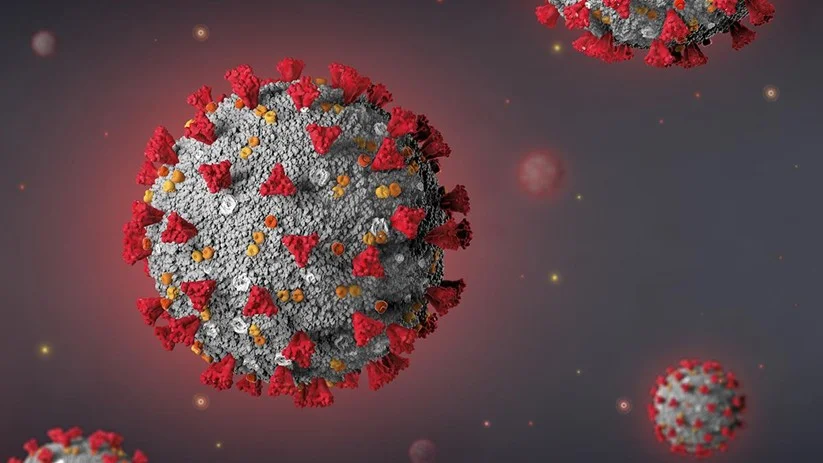
The Spike Protein (S-protein) is the spike-shaped protein on the surface of the SARS-CoV-2 virus, responsible for penetrating and infecting human cells.
Most COVID-19 vaccines — such as Pfizer, Moderna, and AstraZeneca — are based on this synthetic spike protein, training the immune system to recognize and defend against the virus without exposure to the whole pathogen.
How Does Spike Protein Affect the Body?
Benefits of the Spike Protein (in vaccine form)
One of the greatest breakthroughs in modern medicine is the use of mRNA and recombinant protein vaccines that instruct the body to produce a controlled amount of spike protein.
This allows the immune system to safely generate neutralizing antibodies and T-cell memory:
- Builds immunity without exposure to the live virus
- Spike protein from vaccines breaks down naturally within days
Helps prevent severe illness in future infections
Potential Harms of the Spike Protein (from actual viral infection)
When the spike protein is produced during an actual SARS-CoV-2 infection, it may trigger excessive immune responses or linger in the body, especially in high-risk individuals:
1.Acute Inflammatory Response (Cytokine Storm)
Can trigger intense cytokine release (e.g., IL-6, TNF-α), leading to widespread inflammation affecting the lungs and heart.
2.Endothelial Damage (Vascular Injury)
Research shows spike protein may damage the inner lining of blood vessels, increasing the risk of blood clots, hypertension, and stroke.
3. Crossing the Blood-Brain Barrier
In some cases, spike protein may reach the brain, contributing to brain fog, memory loss, or depression, as seen in Long COVID.
4. Chronic Inflammation & Autoimmunity
Some patients continue to test positive for spike protein fragments long after recovery, possibly triggering immune dysregulation, chronic fatigue, or autoimmune symptoms.

What Is Spike Protein Antibody Level Testing?
In a world where COVID-19 has become endemic, but new variants continue to emerge, many people wonder:
“Do I still have enough immunity?”
“Is it time for a booster shot?”
“Can my antibodies protect against new strains?”
Spike Protein Antibody Level Testing (also known as SARS-CoV-2 S IgG) is a safe and precise blood test used by physicians to evaluate your immunity status — especially:
– Months after vaccination
– Post-infection
– When considering additional booster doses
Why Should You Get Tested?
The test measures IgG antibodies against the spike protein. Your results can help determine:
- Whether you still have protective immunity
- Whether your antibodies are strong enough to prevent reinfection
- Whether a booster vaccine is recommended
If you suspect Asymptomatic Infection after covid-19 vaccination or after you got covid

What Do the Results Mean?
Results are typically expressed in BAU/mL (Binding Antibody Units) — a standardized unit recognized by the World Health Organization (WHO).
– Higher values = Stronger antibody protection
– Values below 50 BAU/mL = Considered low, and booster shots may be recommended
This standard allows for consistent interpretation across labs and countries.
Who Should Consider Spike Antibody Testing?
This test is ideal for anyone wanting to understand their immunity more deeply — especially:
- People who were vaccinated over 6 months ago
- Individuals who suspect asymptomatic infection
- Those with chronic conditions (e.g., diabetes, hypertension, immune deficiency)
- Elderly individuals who want personalized health planning
- Frequent travelers or people working in high-risk or crowded environments
How Often Should You Get Tested?
For most people, once every 6–12 months is sufficient.
For high-risk groups or those receiving booster shots, more frequent testing may be advised by a physician.
Conclusion:
Spike Protein Antibody Testing is not just a post-vaccine checkpoint — it’s a personal health map, helping you understand your body’s immune landscape and plan the most effective prevention strategy.
Because we believe:
“Immunity isn’t just a number on a page — it’s a personal blueprint for your health.”
At LINNA Clinic, we offer Spike Antibody Testing with easy-to-understand results and personalized consultation by experienced doctors.
You’ll also receive holistic guidance for immune support and preventive health through integrative and anti-aging medical care. former COVID-19 patients, or those experiencing post-vaccination side effects. For appointments and consultations, contact LINNA Clinic at 091-979-9554 or via LINE: @linnaclinic.