Good health begins with internal care—especially in an era where risk factors for disease continue to increase, including infectious agents, environmental pollution, toxins, inadequate rest, and daily dietary habits. As a result, many individuals are placing greater emphasis on advanced and in-depth health care.
One medical approach that has gained increasing attention is Plasma Exchange, also known as therapeutic plasma exchange. This technology is designed to selectively remove inflammatory mediators, abnormal proteins, and certain waste substances from the bloodstream.
What is Plasma Exchange? What are its benefits, and what precautions should be considered before treatment?
LINNA Clinic provides clear answers to help you better understand this therapy before making a decision.
Table of Contents
What is Plasma Exchange
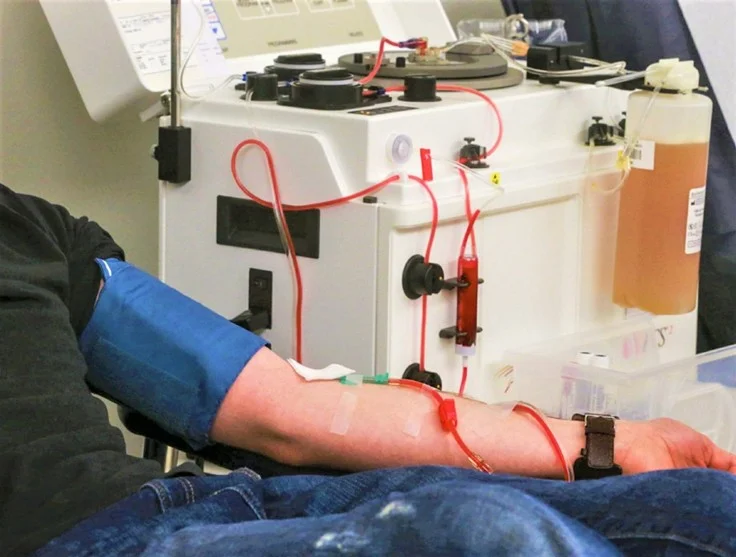
Plasma Exchange, also known as therapeutic plasma exchange, is a medical procedure that uses specialized equipment to separate plasma containing undesirable substances—such as abnormal antibodies (autoantibodies), pro-inflammatory proteins, toxins, and certain waste products—from other components of the blood. The removed plasma is then discarded and replaced with fresh frozen plasma (FFP), saline solution, or albumin as appropriate, in order to maintain balance of essential components within the body.
Plasma is a clear, yellowish fluid that functions as a carrier for proteins, antibodies, lipids, hormones, and various substances within the circulatory system. When inflammation or pathogenic substances circulate within the plasma and interfere with normal bodily function, Plasma Exchange plays an important role in rapidly reducing abnormal substances from the bloodstream. It may also be used as a supportive health restoration approach alongside primary medical treatments, based on the physician’s clinical judgment.
How Is Plasma Exchange Different from DFPP?
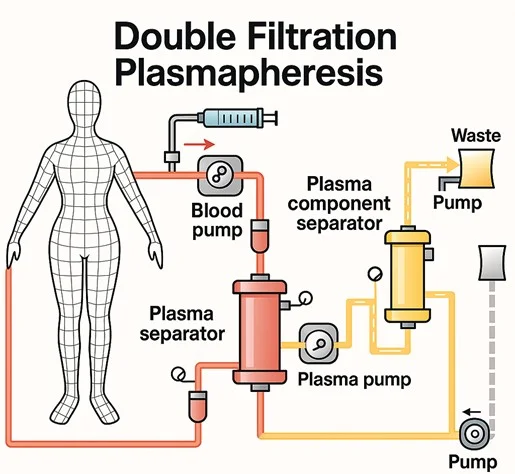
Both Plasma Exchange and DFPP are blood purification procedures performed through plasmapheresis to reduce undesirable substances in the bloodstream. However, they differ in their filtration methods and plasma replacement processes.
Plasma Exchange involves removing plasma that contains unwanted substances from the circulation and replacing it with donor plasma or albumin solution. This approach is suitable in situations where a rapid reduction of abnormal antibodies or specific proteins is required.
In contrast, DFPP (Double Filtration Plasmapheresis) uses a two-step filtration process. First, plasma is separated from blood cells. The plasma is then passed through a second, more selective filter to remove specific unwanted molecules, after which the filtered plasma is returned to the body. This method reduces the need for external plasma replacement and helps preserve essential proteins more effectively. DFPP is particularly suitable for individuals with abnormally high levels of certain lipids or proteins in the blood, as well as those seeking gradual reduction of inflammatory conditions.
The Plasma Exchange Procedure
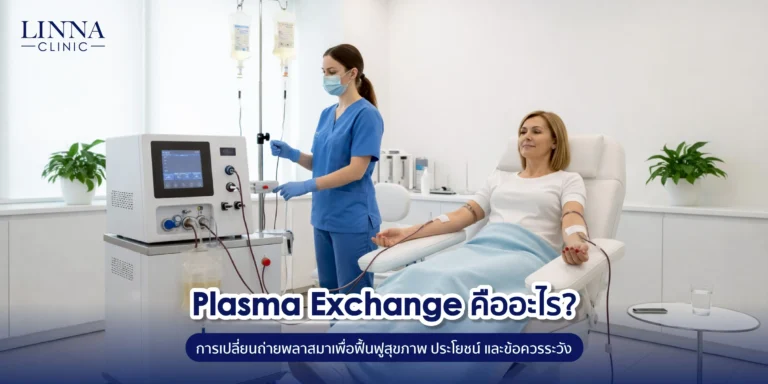
The Plasma Exchange procedure should be performed under the supervision of an experienced medical team, including physicians and nurses, using standardized medical equipment. The procedure typically takes approximately 1.5–3 hours, depending on each individual case. The process generally includes the following steps:
- Pre-procedure assessment
A physician conducts a thorough evaluation, including blood tests, blood pressure and pulse measurements, and an overall health assessment. This is to assess potential risks and to plan the Plasma Exchange procedure appropriately. - Vascular access placement
In most cases, a catheter or needle is inserted into one or two veins in the arm to withdraw blood from the body and return the filtered blood. In certain situations where larger veins are required, the physician may consider placing a catheter in the neck or groin area, as clinically appropriate. Catheter placement in these areas must be performed in a hospital setting only. - Plasma separation
Blood is drawn into the apheresis system, where plasma is separated from red blood cells, white blood cells, and platelets. Plasma containing undesirable substances is removed, while blood cells are retained for reinfusion into the body. - Plasma replacement
Replacement fluids such as fresh frozen plasma (FFP) or albumin solution are combined with the retained blood cells and slowly returned to the body to maintain fluid and electrolyte balance. - Post-procedure monitoring
After the procedure, blood pressure and pulse are monitored, and the patient is observed for a short period. If no abnormalities are detected, the patient may return home on the same day without the need for hospitalization.
- Pre-procedure assessment
Benefits of Plasma Exchange
- Helps reduce inflammatory substances in the blood, such as cytokines and certain proteins involved in inflammatory processes, which can disrupt immune system function and worsen underlying conditions
- Helps reduce levels of abnormal antibodies that may cause the body to attack its own organs, supporting improved response to medical treatment
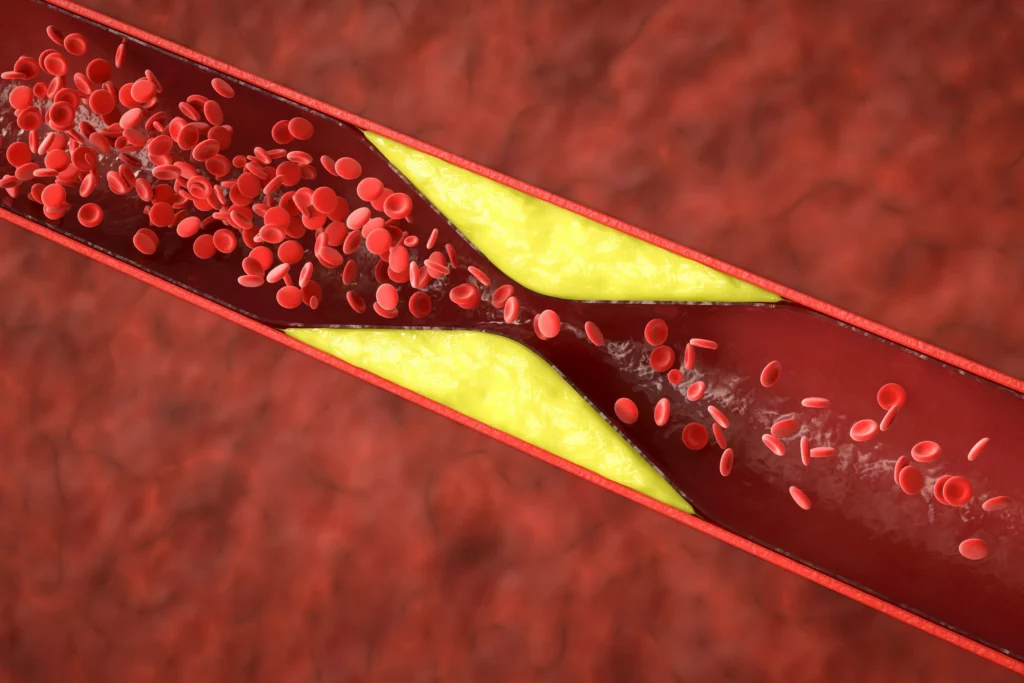
- Helps reduce blood viscosity and improve blood circulation, thereby decreasing workload on the heart and other vital organs
- Helps remove waste products from the body, such as abnormal proteins, certain lipids, toxins, or substances that contribute to vascular inflammation, which may be associated with complications or chronic conditions
- Supports holistic health restoration; as inflammatory mediators decrease, circulation improves, and immune system function becomes more balanced, long-term health support may be achieved
Who is Plasma Exchange Suitable For?
- Individuals with immune system–related conditions and certain neurological disorders, such as systemic lupus erythematosus (SLE) and rheumatoid arthritis, to help reduce abnormal antibody levels in the body
- Individuals with significantly elevated levels of certain proteins or lipids in the blood, resulting in increased blood viscosity and impaired circulation
- Selected patients undergoing treatment for chronic inflammatory conditions who wish to incorporate a supportive health restoration approach alongside their primary treatment
- Individuals assessed by a physician to have immune system imbalance or elevated levels of specific inflammatory substances in the blood
- Individuals seeking in-depth health restoration and holistic health care
However, all individuals must undergo a medical evaluation by a physician to assess indications and potential risks prior to the procedure. It is also important to understand that Plasma Exchange is a supportive health restoration approach and not a curative treatment, and therefore cannot replace standard medical therapy.
Who is Not Suitable for Plasma Exchange?
- Individuals with a tendency to bleed easily or with bleeding or clotting disorders
- Individuals with uncontrolled heart failure or severe kidney disease
- Individuals with severe infections
- Individuals with very low blood pressure or a history of shock
- Individuals with a history of allergic reactions to plasma replacement substances, such as albumin or donor plasma
- Pregnant women and breastfeeding mothers (medical history should be disclosed to the physician, and individual assessment is required prior to treatment)
Possible Side Effects After Plasma Exchange
In general, Plasma Exchange is considered a safe procedure when performed under the supervision of experienced physicians. However, some individuals may experience temporary and mild side effects following the procedure, such as:
- Chills during the procedure, which can be reported to the physician or nursing staff so that appropriate adjustments can be made
- Fatigue or increased tiredness compared to usual
- Numbness in the hands or feet
- Headache or dizziness
- Mild nausea or general discomfort
- Skin discomfort or minor bruising at the catheter insertion site
- Temporary decrease in blood pressure
If any abnormal symptoms are observed, such as fainting, severe dizziness, difficulty breathing, chest pain, or excessive bruising or bleeding after the procedure, immediate medical attention should be sought.
Preparation and Aftercare for Plasma Exchange
Preparation Before Plasma Exchange
- Inform the physician in detail about any underlying medical conditions, current medications, supplements, and history of drug allergies
- Undergo blood tests and physical assessment as recommended by the physician to evaluate readiness for the procedure
- Drink sufficient water during the 1–2 days prior to the procedure
- Get adequate rest, with 6–8 hours of sleep, to prepare the body
- Discontinue supplements or medications that may affect blood clotting, as advised by the physician
Aftercare Following Plasma Exchange
- Drink plenty of water, especially during the first 24–48 hours, to support blood circulation and promote recovery
- Avoid strenuous activities, heavy lifting, or intense exercise during the first 24–48 hours
- Maintain a nutritious diet and avoid alcohol consumption and smoking
- If any abnormal symptoms occur—such as difficulty breathing, severe dizziness, fainting, or unusual swelling, redness, or significant pain at the catheter insertion site—seek medical attention immediately
Summary
Plasma Exchange is a medical procedure designed to help reduce inflammatory substances, abnormal antibodies, and certain proteins that may affect circulatory and immune system function. As a result, it supports health restoration and internal balance in an appropriate manner.
However, this procedure should always be performed under the supervision of experienced physicians to ensure proper treatment planning and patient safety. For personalized health consultation and an individualized recovery plan, you are welcome to consult with the medical team at LINNA Clinic.
For inquiries or appointments, please contact Tel: 063-609-8888 | WhatsApp: +66 919 799 554 | LINE: @linnaclinic