The nervous system is one of the most important systems in the body. It controls how our organs and body systems work together, helping everything stay balanced and function properly.
However, the nervous system can be affected by many factors, such as aging, unhealthy lifestyle habits, injuries from accidents, or certain neurological conditions. When this happens, it may lead to reduced body function and a lower quality of life.
Today, medical advancements have introduced new ways to support the recovery of the nervous system. One of these is Neurogenic MSC, a type of mesenchymal stem cell specifically focused on nerve cells. It helps create a better environment for the nervous system to repair itself, may reduce the severity of certain conditions, and can help slow down long-term degeneration.
Table of Contents
What is Neurogenic MSC?
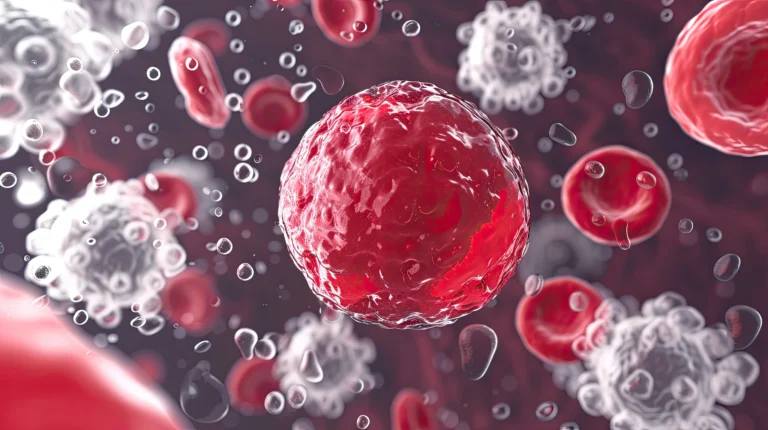
Neurogenic MSC refers to mesenchymal stem cells (MSCs) that have been stimulated or induced to develop the ability to differentiate into cells related to the nervous system, such as neurons.
Neurons are the main cells of the nervous system, responsible for receiving and transmitting nerve signals through a network of nerves to different parts of the body. They play a crucial role in controlling movement, sensation, thinking, analysis, emotions, as well as the function of various organs.
Research has shown that mesenchymal stem cells (MSCs) derived from human Wharton’s jelly have the potential to differentiate into neural cells (neurogenic potential). When induced under a two-dimensional (2D) culture system, they can form a stable and consistent population of cells.
This makes them a promising tool for applications in regenerative medicine. However, further studies are still needed in key areas, such as the electrophysiological properties of these cells and their ability to fully differentiate into mature neural cells, in order to confirm their effectiveness and safety for clinical use (Kruminis-Kaszkiel et al., 2020).
How do the properties of Neurogenic MSC support nerve regeneration?
Neurogenic MSC has several properties that may support the process of nervous system regeneration, as follows:
- Helps reduce inflammation and neuronal cell death by releasing certain bioactive factors that inhibit inflammatory responses. This may help minimize damage to nerve cells and surrounding tissues, while supporting the balance and integrity of the nervous system.
- Supports the repair and regeneration of nerve cells by creating a favorable environment for the healing and regrowth of damaged nerves. It also helps restore the myelin sheath, which is essential for nerve signal transmission and overall nervous system function.
- Promotes angiogenesis, enhancing blood flow and oxygen delivery to nervous system tissues.
- Supports cell-to-cell communication by releasing signaling molecules such as exosomes and growth factors, which help coordinate the activity of surrounding cells.
- Helps improve symptoms associated with neurodegenerative conditions, may reduce disease severity, and supports recovery from nerve-related injuries.
Who is Neurogenic MSC suitable for?
Neurogenic MSC is suitable for individuals who want to support nervous system health, promote neural recovery, and help maintain nerve cells affected by degeneration, such as:
- Individuals with impaired self-repair of the nervous system or dysfunction in nervous system function
- Individuals with age-related nerve degeneration
- Individuals experiencing headaches or pain resulting from accidents
- Individuals with conditions related to neurodegeneration, such as Parkinson’s disease, paralysis or partial paralysis, numbness, and muscle weakness
- Individuals who want to reduce inflammation in the brain
- Individuals at risk of stroke and Alzheimer’s disease
However, individuals interested in Neurogenic MSC should undergo a thorough medical evaluation by a physician to determine suitability on an individual basis.
Benefits of Neurogenic MSC
- Current clinical studies suggest that mesenchymal stem cells (MSCs) may play a role in supporting the recovery of nervous system function. They may help reduce inflammation and promote tissue repair in certain patient groups, such as those with stroke, spinal cord injury, and amyotrophic lateral sclerosis (ALS).
However, most of the current evidence is still in the early stages, and further long-term studies are needed to confirm their effectiveness and safety (Hernández et al., 2020). - Supports nerve regeneration, reduces inflammation and cell death, and helps enhance the function of nerve cells
- Neurogenic MSC derived from umbilical cord tissue is considered safe for both the donor and the recipient. It is non-invasive for the donor, as it does not require any surgical procedure. For the recipient, these cells are at an early stage of life, giving them a strong ability to proliferate and support tissue repair. They also have low immunogenicity, meaning there is a lower risk of triggering an immune response.
- May directly generate new cells within the nervous system (cell replacement) in areas that can cross the blood–brain barrier
- Neurogenic MSC can be used alongside standard treatments, at the physician’s discretion, to help support nervous system recovery
- Neurogenic MSC therapy is more cost-effective compared to neural stem cells derived from the brain or spinal cord of donors
Limitations of Neurogenic MSC
- The response to Neurogenic MSC and the outcomes may vary among individuals, depending on factors such as age, severity of the condition, and overall health. Therefore, it is important to consult a physician for proper evaluation and guidance before making a decision.
- Neurogenic MSC is a process that requires strict quality control at every stage. Therefore, it should be performed at a certified medical facility or clinic, under the supervision of experienced medical professionals.
- The quality of the cells used can vary depending on several factors, including the source, culture process, culture media, and the number of passages. It is important to always review the full details of the service before proceeding.
- Neurogenic MSC may cause some side effects, such as pain or swelling at the injection site, mild fever, or general discomfort. These effects are usually temporary and typically resolve on their own.
- Neurogenic MSC is only one option for supporting the recovery of nervous system function and cannot replace standard medical treatments. It should be considered as part of a comprehensive approach, alongside other strategies such as early biomarker detection and pharmacological treatments.
In addition, the rehabilitation plan should be tailored to each patient’s condition (Sancho-Bielsa, 2021)
How often should Neurogenic MSC be performed?
The frequency of Neurogenic MSC treatment may vary from person to person. A physician will determine the appropriate plan based on several factors, such as age, overall health condition, severity of neurological symptoms, and the individual’s treatment goals.
In general, the cells are administered via intravenous (IV) infusion, with the dosage often calculated based on body weight (per kilogram) or adjusted according to the patient’s budget.
- For general pediatric cases, including children with autism and ADHD, Neurogenic MSC is typically administered at a dose of 0.5–3 million cells per kilogram every 3–6 months, or combined with UMSCs at 1 million cells per kilogram every 6 months. Follow-up evaluations are usually scheduled every 3 months.
- For adults or elderly individuals seeking nervous system regeneration, Neurogenic MSC is typically administered at a dose of 0.5–3 million cells per kilogram every 6 months. Alternatively, it may be combined with UMSCs at 1 million cells per kilogram together with Neurogenic MSC at 20–50 million cells per kilogram (or adjusted based on budget) every 6 months. Follow-up evaluations are usually scheduled every 3 months.
- For individuals with Alzheimer’s-related dementia, Neurogenic MSC is typically administered at a dose of 0.5–3 million cells per kilogram every 6 months, or combined with UMSCs at 1 million cells per kilogram every 6 months. Follow-up evaluations are usually scheduled every 3 months.
- For individuals with conditions related to stroke or coronary artery disease, Neurogenic MSC is typically administered at approximately 0.3–0.5 million cells per kilogram, combined with Vasculogenic MSC at 0.5–3 million cells per kilogram.
Physicians often recommend initiating treatment during the golden period, within the first 3 months after symptom onset, and it may be repeated every 3–6 months.
These approaches must be carried out under medical supervision, with treatment plans tailored and evaluated based on each patient’s individual condition.
Post-care after receiving Neurogenic MSC
Post-care after receiving Neurogenic MSC is an important part of supporting optimal recovery outcomes. General recommendations include:
- Get adequate rest to support the body’s recovery process
- Avoid strenuous activities and intense exercise for at least the first 12 hours
- Avoid hot compresses, saunas, or heat-based treatments on the treated area
- Avoid injury, wounds, or impact to the treated area for at least 2 weeks
- Avoid smoking and alcohol consumption for at least 3–4 weeks
- Stay well hydrated and maintain a balanced, nutritious diet
- Follow your doctor’s instructions carefully and attend all scheduled appointments. If you experience any unusual symptoms, consult your physician immediately.
Summary
Neurogenic MSC is one of the innovations in regenerative medicine, using mesenchymal stem cells derived from umbilical cord tissue that have been induced to develop neurogenic properties. It helps support the repair of neural tissue, may reduce disease severity, and slow down the degeneration of the nervous system.
It is suitable for individuals who wish to support nervous system recovery and help maintain nerve cells affected by degeneration. However, the use of Neurogenic MSC should be conducted under the evaluation and supervision of experienced medical professionals. This ensures appropriate selection of cell type, dosage, and treatment frequency for each individual, along with continuous monitoring to provide safe and personalized care based on the patient’s condition.
If you are interested in supporting your health and restoring nervous system function with Stem Cell MSC or Neurogenic MSC, you may consult with the medical team at LINNA Clinic for a personalized assessment and treatment plan.
Please feel free to contact us at 063-609-8888, via WhatsApp at +66 91 979 9554, or on LINE: @linnaclinic.
References
- Kruminis-Kaszkiel, E., Osowski, A., Bejer-Oleńska, E., Dziekoński, M., & Wojtkiewicz, J. (2020). Differentiation of human mesenchymal stem cells from Wharton’s jelly towards neural stem cells using a feasible and repeatable protocol. Cells, 9(3), 739. https://doi.org/10.3390/cells9030739
- Hernández, R., Jiménez-Luna, C., Perales-Adán, J., Perazzoli, G., Melguizo, C., & Prados, J. (2020). Differentiation of human mesenchymal stem cells towards neuronal lineage: Clinical trials in nervous system disorders. Biomolecules & Therapeutics, 28(1), 34–44. https://doi.org/10.4062/biomolther.2019.065
- Sancho-Bielsa, F. J. (2022). Parkinson’s disease: Present and future of cell therapy. Neurology Perspectives, 2, S58–S68. https://doi.org/10.1016/j.neurop.2021.07.006