
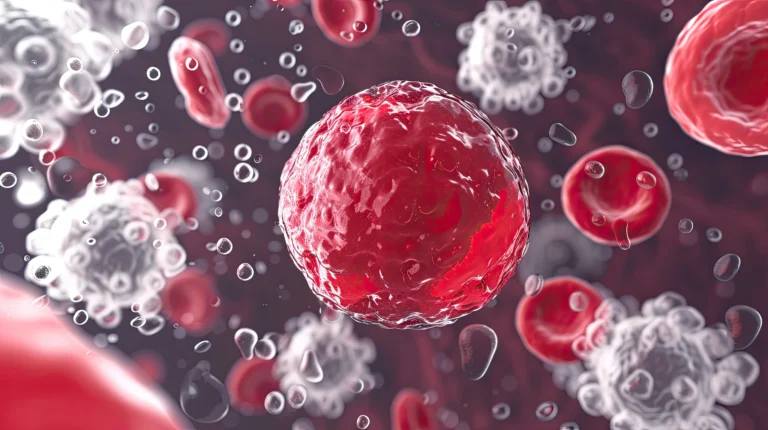
In recent years, the concept of regenerative medicine has gained significant attention in the global medical field, particularly the use of stem cells to support the body’s natural repair and recovery processes. One of the most widely discussed types is the Mesenchymal Stem Cell (MSC), which has been continuously studied for its potential to reduce inflammation, promote tissue repair, and slow down cellular degeneration.
A key question that many people have is how Mesenchymal Stem Cells differ from other types of stem cells, what their advantages and limitations are, and whether MSCs can truly provide targeted support for specific areas of the body. In this article, LINNA Clinic will guide you through a deeper understanding of Mesenchymal Stem Cells.
Table of Contents
What Are Mesenchymal Stem Cells (MSCs)?
Mesenchymal Stem Cells (MSCs) are a type of stem cell found in various tissues in the body, such as the umbilical cord, bone marrow, adipose tissue, and teeth. These stem cells are classified as multipotent stem cells, meaning they have the ability to divide and differentiate into various types of connective tissue cells, including bone cells, cartilage cells, nerve cells, fat cells, and certain types of muscle cells.
This group of stem cells also plays an important role in supporting the body’s recovery processes by helping to reduce inflammation, promote tissue repair, and regulate the immune system. For this reason, Mesenchymal Stem Cells have been widely studied and applied in both regenerative medicine and aesthetic medicine.
How Are Mesenchymal Stem Cells Different from Other Types of Stem Cells? Pros and Cons
Mesenchymal Stem Cells are stem cells that can differentiate into multiple specialized cell types, particularly connective tissue cells such as bone, cartilage, fat, nerve, and muscle cells. They also have key properties that help reduce inflammation, regulate the immune system, and support tissue repair.
In addition, MSCs have low immunogenicity, meaning they are less likely to trigger immune reactions and have fewer limitations in clinical use compared to other types of stem cells, such as:
- Fresh Cells:
Fresh cells extracted from animal embryos or tissues, such as sheep or cows, were commonly used in the 20th century. However, they were later found to lack reliable medical evidence and have safety limitations, including risks of zoonotic infections, severe allergic reactions, and legal restrictions in many countries. As a result, they are no longer widely used today. - Embryonic Stem Cells (ESCs):
Stem cells derived from early-stage human embryos, which have high potential to develop into almost any type of cell in the body. However, their use is limited by ethical concerns in clinical applications.
Advantages of Mesenchymal Stem Cells
- Support the repair and regeneration of tissues such as bone, cartilage, muscle, and connective tissues
- Help reduce inflammation and regulate the immune system
- Can be sourced from multiple tissues, including the umbilical cord, placenta, bone marrow, adipose tissue, teeth, and blood
- Show good compatibility with the body and have a low risk of immune rejection
- Can be used across individuals (allogeneic use)
Disadvantages of Mesenchymal Stem Cells
- The quality of cells depends on the source, culture process, and laboratory standards
- Regenerative outcomes may vary between individuals depending on health condition, age, and the body’s response
- The cost is relatively high, as stem cells must undergo isolation, cultivation, and strict quality control in certified laboratories. The price may also vary depending on the source, treatment approach, and the number of cells used in each case
- The use of MSCs in some applications is still under ongoing research and development
How Many Types of Mesenchymal Stem Cells Are There? Can They Provide Targeted Support?
Currently, there is a growing concept of using Mesenchymal Stem Cells derived from the body to support more targeted tissue regeneration, as follows:
- General MSC:
A general type of mesenchymal stem cell that focuses on overall body restoration. It helps regulate balance, reduce inflammation, and support the repair of tissues that have deteriorated due to aging and certain external factors. It is suitable for individuals seeking preventive health care, slowing down aging, supporting organ function, improving skin quality, and those with inflammation or muscle injuries in daily life. - Chondrogenic MSC:
A type of mesenchymal stem cell specific to cartilage cells. It helps repair and regenerate cartilage tissue, particularly in the knee joint, and stimulates cartilage cell proliferation. It is suitable for individuals with osteoarthritis, joint pain, knee pain, or injuries in areas such as the acromioclavicular joint. - Neurogenic MSC:
A type of mesenchymal stem cell specific to nerve cells. It helps maintain balance and integrity of the nervous system, reduce disease severity, and slow down neurological degeneration. It is suitable for individuals seeking neurological recovery, those in rehabilitation after stroke or Parkinson’s disease, individuals at risk of cerebrovascular disease or Alzheimer’s disease, and those experiencing headaches related to illness or injury. - Vasculogenic MSC:
A type of mesenchymal stem cell specific to vascular cells. It helps maintain balance and integrity of the vascular system, supports tissue repair, and promotes new blood vessel formation. It is suitable for individuals who want to support vascular health, those with poor circulation, or those with vascular risk factors such as lipid accumulation in blood vessels, as well as individuals at risk of stroke or those aiming to reduce long-term vascular health risks.
What Is the Recommended Stem Cell Dosage for Optimal Results?
The required dosage of stem cells may vary depending on the type of Mesenchymal Stem Cell used, the method of administration, and the severity of each individual’s condition, as follows:
- General MSC:
For intravenous (IV Drip) administration, the dosage is primarily determined based on the patient’s body weight. It typically starts at approximately half of the body weight (in million cells/kg). For example, a person weighing 40 kg may start with around 20 million cells. - Chondrogenic MSC:
For direct injection into the knee joint, the physician will determine the appropriate number of cells based on the severity of the condition. In most cases, approximately 5–15 million cells per side are used. - Neurogenic MSC and Vasculogenic MSC:
The physician will determine the appropriate dosage based on the severity of the condition and the individual treatment goals.
Why Is the Source of Stem Cells Important? How Important Is Quality?
The source of stem cells is a key factor affecting both the effectiveness and safety of the treatment, especially for donor-derived (allogeneic) stem cells obtained from tissues such as the umbilical cord, placenta, bone marrow, teeth, and blood. Each source has different capacities for cell proliferation and tissue repair.
In addition to the source, the preparation and cell culture process in the laboratory is also an important factor influencing stem cell quality. This includes the quality of the cell culture medium, which contains essential nutrients such as amino acids, glucose, vitamins, minerals, and other components that play a crucial role in cell growth and viability. Another factor is the cell passage number, which indicates how many times the cells have been cultured and divided in the laboratory, as well as the overall quality control process at every stage to ensure high-quality cells.
Medical Benefits of Mesenchymal Stem Cells
Due to their unique properties, Mesenchymal Stem Cells have gained significant attention in regenerative and aesthetic medicine, with ongoing studies and applications in various areas, including:
- Management of osteoarthritis and cartilage damage
- Support for vascular conditions and certain circulatory disorders
- Care for patients recovering from stroke
- Management of immune system disorders and immune-related conditions
- Support for nervous system and brain function recovery
- Anti-aging and aesthetic applications, including reducing wrinkles and promoting collagen production in the skin
Who Is MSC Therapy Suitable For?
- Individuals seeking ways to slow down aging and support overall body rejuvenation
- Individuals who want to improve skin condition, enhance radiance, and reduce signs of aging
- Individuals with osteoarthritis, experiencing pain, swelling, inflammation, or cartilage damage
- Individuals in the recovery phase from certain neurological or vascular conditions
- Individuals with certain immune system disorders
- Individuals with certain types of chronic inflammation who are seeking targeted recovery approaches
However, the decision to undergo MSC Therapy should be based on an evaluation by a qualified physician to determine individual suitability. Patients with underlying medical conditions should provide complete and accurate medical information to the doctor.
Important Considerations Before Undergoing Mesenchymal Stem Cell Therapy
- Patients should inform the doctor of any underlying medical conditions and history of drug or substance allergies in detail before treatment
- The number of stem cells used may vary depending on the severity of the condition and the individual treatment goals
- Intravenous (IV) administration may cause temporary side effects such as chest tightness, dizziness, or chills
- Patients with heart conditions should be closely evaluated by a physician
- Individuals with a family history of cancer or a personal history of cancer should undergo thorough additional assessment
- Mesenchymal Stem Cell therapy requires strict quality control, from cell collection and cultivation to preparation and administration. Therefore, it should only be performed in certified medical facilities under the supervision of experienced physicians
MSC Therapy Procedure
In general, MSC Therapy is not complicated and does not take much time. Stem cells can be administered via intravenous (IV drip), which typically takes around 20–30 minutes, or in some cases through targeted injections, which may take slightly longer. The procedure includes the following steps:
-
- Consultation and health assessment prior to treatment, including medical history review, blood tests, and physical examination as appropriate for each case. Patients should inform the doctor of their medical history, underlying conditions, medications, supplements, and any history of allergies in detail
- Injection of stem cells into the areas planned by the physician
- Resting for approximately 30 minutes after the procedure for observation. If no abnormalities occur, the patient can return home immediately without the need for recovery time at the clinic
- Consultation and health assessment prior to treatment, including medical history review, blood tests, and physical examination as appropriate for each case. Patients should inform the doctor of their medical history, underlying conditions, medications, supplements, and any history of allergies in detail
Pre-Treatment Care Before Mesenchymal Stem Cell Therapy
- Get adequate sleep, approximately 7–9 hours, and maintain a relaxed, stress-free state to prepare both the body and mind
- Drink at least 1.5–2 liters of water per day and maintain a well-balanced, nutritious diet
- Avoid alcohol consumption and smoking for at least 1 week
- Avoid activities that may cause injury, wounds, or physical impact, and refrain from other procedures such as laser treatments or liposuction for at least 1–2 weeks
Post-Treatment Care After Mesenchymal Stem Cell Therapy
- Get sufficient rest and avoid strenuous activities for at least the first 12 hours after the procedure
- Avoid impact or injury to the treated area for at least 2 weeks
- Avoid alcohol consumption and smoking for at least 1 month to allow full recovery
- Some patients may experience temporary symptoms such as fatigue, drowsiness, mild fever-like feelings, or slight discomfort, which usually resolve on their own within 2–3 days. If severe symptoms occur, such as high fever, chest tightness, difficulty breathing, or severe dizziness, seek medical attention immediately
- Avoid heat exposure, such as hot compresses, saunas, or heat-based treatments on the treated area to prevent irritation and inflammation
- Stay well-hydrated and maintain a balanced, nutritious diet
- Follow up with the doctor as scheduled to monitor results and adjust the treatment plan if necessary
Summary
Mesenchymal Stem Cells (MSCs) are a type of stem cell capable of dividing and differentiating into connective tissue cells such as bone, cartilage, muscle, and fat. They also play a role in reducing inflammation and releasing biomolecules that support tissue repair and regeneration, helping damaged tissues return to proper function.
Due to these properties, Mesenchymal Stem Cells have gained significant attention in regenerative and aesthetic medicine, with ongoing research and development for targeted applications, such as bone cells, nerve cells, and vascular cells.
At LINNA Clinic, we offer all four types of MSC therapy—General MSC, Chondrogenic MSC, Neurogenic MSC, and Vasculogenic MSC—under the supervision of experienced medical professionals. This provides an additional option for cellular-level health restoration and personalized care.
If you are looking for a comprehensive approach to health restoration or would like to assess whether Mesenchymal Stem Cell therapy is suitable for you, please contact LINNA Clinic for a consultation and personalized treatment planning.
Call: 063-609-8888 | WhatsApp: +66 919799554 | LINE: @linnaclinic