One of the most popular procedures that helps enhance a more youthful appearance and effectively meets aesthetic needs—especially for individuals aged 30 and above who begin to notice facial sagging and a loss of skin radiance—is facial fat grafting, a highly appealing technique.
Table of Contents
What Is Fat Grafting?
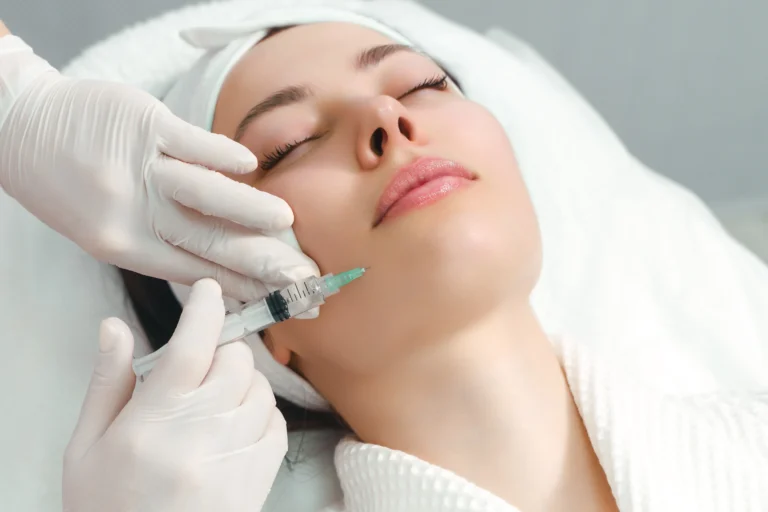
Facial fat grafting (Fat Grafting / Fat Transfer) is a procedure that uses excess fat from your own body—such as from the abdomen, thighs, or hips—and injects it into the face to restore volume. It helps address concerns such as hollow cheeks, facial volume loss, deep lines, or wrinkles that make the face appear aged, resulting in a fuller, more youthful, and natural appearance.
Why Does Fat Grafting Make the Face Look Younger?
Fat grafting helps create a more youthful appearance because fat cells have both volumizing and skin-rejuvenating properties. It directly addresses common causes of facial aging such as sagging, deep lines, and volume loss, as follows:
- Enhances facial volume:
It adds fullness and dimension to the face, preventing a hollow or flat appearance. As we age, facial fat gradually diminishes. Fat grafting restores volume in areas where it is lost, making the face appear fuller and firmer. - Reduces wrinkles and deep lines:
It helps soften nasolabial folds and tear troughs. When the skin loses fat and collagen, wrinkles and deep lines become more noticeable. Fat grafting fills the spaces beneath the skin, making it smoother and reducing the appearance of wrinkles. - Stimulates collagen production:
Fat contains natural stem cells that help rejuvenate the skin. The injected fat does not only add volume but also contains stem cells that stimulate collagen production and improve skin structure. - Improves facial balance and contour:
When certain areas of the face lose volume—such as the temples, cheeks, or chin—the face can appear flat and lack dimension. Fat grafting helps restore balance and enhance facial proportions.
Common Areas for Facial Fat Grafting
Facial fat grafting has become increasingly popular because it helps improve facial balance and create a more youthful appearance naturally. The most commonly treated areas include:
- Forehead:
For a flat or concave forehead, or horizontal wrinkles, fat grafting helps create a smoother, more rounded contour, reduces wrinkles, and enhances facial harmony. - Temples:
Hollow temples can make the face appear tired and harsh, lacking dimension. Fat grafting restores fullness, softens facial features, and enhances overall balance. - Under-eye area:
For deep tear troughs, dark circles, or hollow eyes that create a tired look, fat grafting helps restore volume, reduce dark circles and under-eye bags, and create a brighter, more refreshed appearance. - Cheeks:
Hollow cheeks can make the face look aged and unbalanced. Fat grafting restores fullness, softens the facial contour, and creates a more youthful and healthy look. - Nasolabial folds:
Deep smile lines can make the face appear older. Fat grafting reduces the depth of these folds, creating a softer and more natural smile. - Chin:
For a short, flat, or recessed chin that lacks proportion, fat grafting enhances the chin contour, improves facial balance, and helps achieve a more defined V-shape. - Jawline:
A poorly defined jawline can make the face appear sagging. Fat grafting enhances jawline definition, creating a more sculpted and balanced appearance. - Lips:
Thin, dry, or lacking volume lips can benefit from fat grafting, which adds fullness, enhances facial attractiveness, and creates a more youthful and vibrant look.
Pros and Cons of Fat Grafting
Facial fat grafting (Fat Grafting) is one of the most popular aesthetic procedures because it uses your own body fat to restore volume to different areas of the face. This results in a natural-looking outcome with a lower risk of allergic reactions. However, fat grafting also has both advantages and disadvantages that should be considered before making a decision.
Advantages of Facial Fat Grafting
- Uses fat cells from your own body, such as the abdomen, thighs, or hips
- Reduces the risk of allergic reactions or side effects from foreign substances
- Some fat cells can survive in the body permanently
- Provides natural-looking results with balanced facial contours, without lumps or hardness as may occur in some filler cases, and feels natural to the touch
- Rejuvenates the skin from within, as fat contains stem cells that help stimulate collagen and elastin production, resulting in hydrated, radiant, and more elastic skin, with improved brightness and reduction of fine lines
- Enhances facial proportions and dimension by restoring volume in areas of deficiency, such as hollow temples, cheeks, or a short chin, creating a more youthful and balanced appearance
- Long-lasting results, as surviving fat cells can remain for 6 months to several years, and in some cases may be permanent without the need for frequent touch-ups
Disadvantages of Facial Fat Grafting
- Approximately 30%–50% of the injected fat may be reabsorbed within the first 1–3 months, and additional sessions may be required to maintain optimal results
- If performed by an inexperienced physician, the fat may not be evenly distributed
- Temporary swelling, bruising, or discoloration may occur in both the liposuction and injection areas, with a recovery period of approximately 1–2 weeks before swelling subsides; strenuous activities such as exercise should be avoided during the first 2 weeks
- The overall cost may be higher, as it is a multi-step procedure and depends on the amount of fat required and the treatment areas
Who Is Suitable for Facial Fat Grafting?
Facial fat grafting (Fat Grafting) is a procedure that helps restore a youthful appearance and improve facial balance by using your own body fat to fill areas that lack volume or have concerns. However, not everyone is suitable for this procedure.
- Individuals with a tired or dull-looking face
- Individuals with hollow or flat facial features lacking dimension
- Individuals starting to experience skin sagging due to aging
- Individuals who want to improve facial balance and proportions
- Individuals who are dissatisfied with previous filler treatments
Fat grafting is suitable for individuals with hollow facial features, lack of dimension, or age-related skin laxity. It is ideal for those who prefer natural-looking, long-lasting results. A consultation with an experienced physician is recommended to assess facial structure and determine the appropriate amount of fat for optimal results.
Post-Fat Grafting Care
Facial fat grafting (Fat Grafting) is a procedure that restores volume and rejuvenates the face naturally. However, proper post-procedure care is a key factor in helping fat cells survive, last longer, and achieve the best possible results.
- Avoid pressing, massaging, or touching the treated areas, as this may cause fat displacement or reabsorption
- Avoid alcohol consumption and smoking
- Avoid strenuous exercise or activities that require significant physical effort
- Maintain a healthy diet, drink plenty of water, and get adequate rest
Fat Grafting vs Filler
Fat Grafting
- Fat is harvested from excess areas of the body (such as the abdomen or thighs), processed, and injected into the desired areas
- Stimulates collagen production and skin rejuvenation through stem cells in fat
- Lasts from 6 months to several years
- Provides natural-looking results
- High level of safety
- Can be used for larger volume restoration since it uses the patient’s own fat
- Higher cost but offers natural and long-lasting results
Filler Injection
- Does not directly stimulate collagen production but provides immediate volume
- Lasts approximately 6–18 months (depending on the type of filler)
- Minimal swelling immediately after treatment compared to fat grafting
- Generally safe, but there is a risk of allergic reactions or swelling in some individuals
- Suitable for small areas or precise contouring
- Lower cost compared to fat grafting
- Immediate visible results after the procedure
Facial fat grafting is therefore considered another highly attractive and popular procedure today. It is safe, cost-effective in the long term, and effectively addresses facial volume loss that can make the face appear older than its actual age.