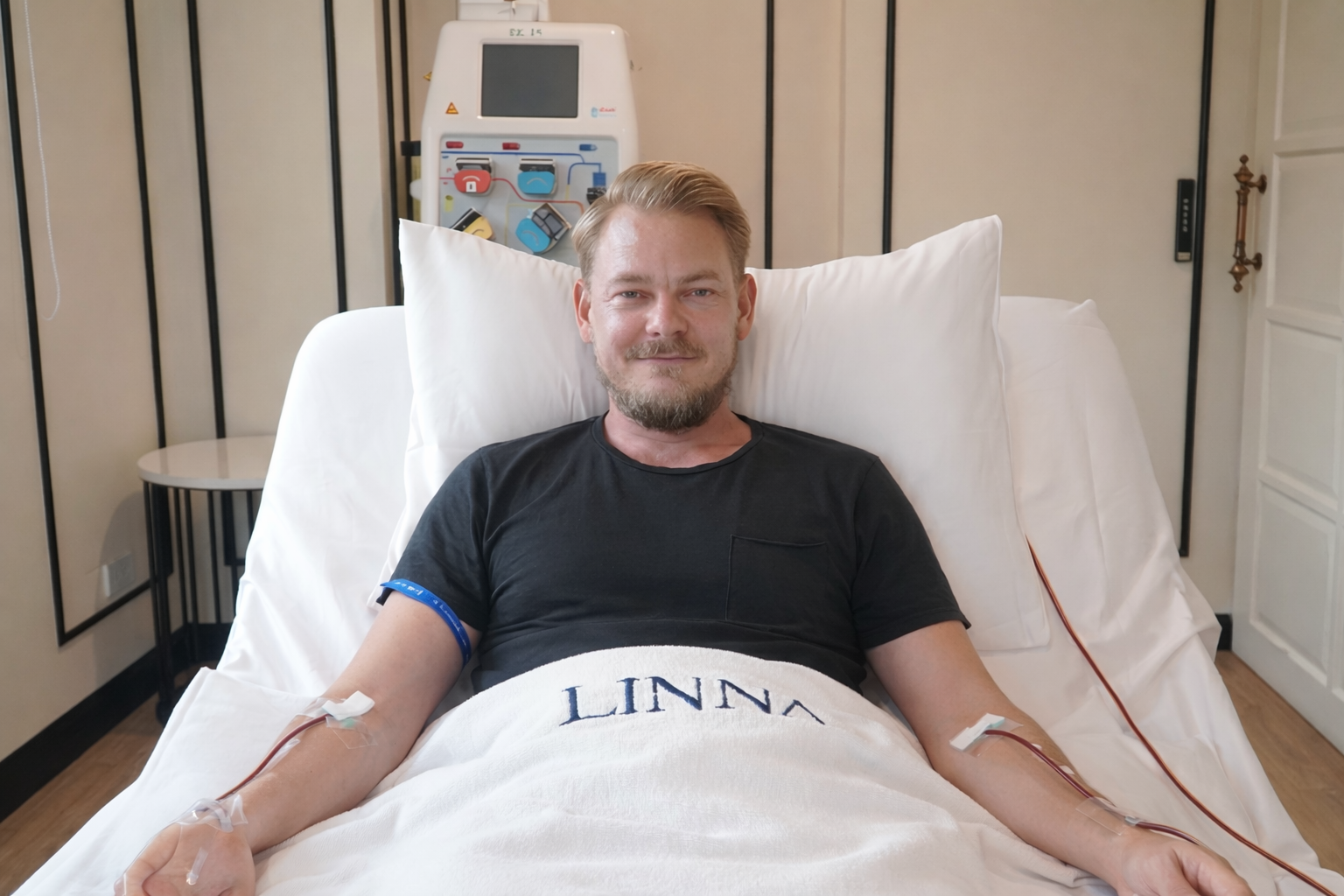
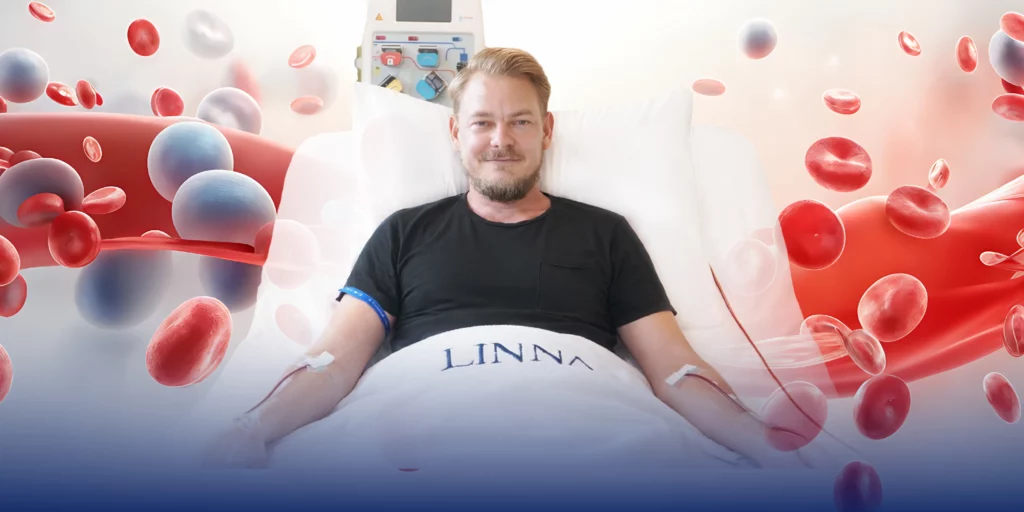
When the body is exposed to various health-damaging factors such as air pollution, PM2.5 dust, chemical residues in water and food, chronic stress, insufficient rest, and unhealthy lifestyle habits, the amount of toxins and waste in the bloodstream may increase. This can become one of the contributing factors to chronic diseases, including individuals with very high lipid levels, as well as autoimmune diseases that involve high levels of inflammation in the body. DFPP (Double Filtration Plasmapheresis), a double-filtration plasma purification technology, helps cleanse the blood by selectively removing unwanted substances and disease-related components. As a result, it has become another widely discussed option for health restoration. *What is DFPP (Plasmapheresis)? Who is it suitable for? What indications should be understood before undergoing DFPP?*In this article, LINNA Clinic has compiled frequently asked questions about DFPP (Plasmapheresis) to help readers gain a comprehensive understanding before deciding to receive the treatment.
What Is DFPP (Plasmapheresis)?
DFPP, or Double Filtration Plasmapheresis, is a type of blood purification process that belongs to the group of plasmapheresis therapies. Its key feature is the use of a double filtration system to separate plasma from blood cells and remove unwanted substances as effectively as possible, such as blood lipids, triglycerides, allergens, and proteins associated with inflammation. After the filtration process, the purified plasma with smaller molecules is returned to the body. This process requires less replacement plasma or fluid compared to conventional plasmapheresis procedures.
How DFPP (Plasmapheresis) Works
The DFPP process begins by drawing blood from the body and sending it to a closed filtration system. The blood passes through the first filter to separate plasma from other components such as red blood cells, white blood cells, and platelets. The plasma is then sent to the second filter, which is specifically designed to separate large molecules or unwanted substances. This process makes the plasma cleaner and reduces the size of the molecules. The purified plasma, together with the blood cells and essential proteins that were separated during the first step, is then returned to the body.
Who Is DFPP (Plasmapheresis) Suitable For?
- Individuals with high blood lipid levels Individuals with high blood viscosity Individuals with diabetes Individuals with high levels of inflammation in the body Individuals with certain immune system disorders Individuals who want to support overall internal health restoration
However, DFPP is considered a supportive approach to help reduce the burden of unwanted substances circulating in the bloodstream. It should not replace primary medical treatment and should only be performed under the supervision of a physician with individualized medical assessment.
Who Should Avoid DFPP (Plasmapheresis) and Consult a Physician Before Treatment
DFPP should be performed only after a proper health evaluation and individualized medical consideration, especially for individuals who have underlying medical conditions or are currently undergoing specialized treatment, including the following groups:
- Individuals with bleeding disorders or abnormal blood clotting, including those who are currently taking medications that affect blood clotting (all medications being used should be disclosed to the physician).
- Individuals with severe chronic diseases that are not yet well controlled, such as certain heart or vascular diseases and chronic kidney failure.
- Women who are pregnant, breastfeeding, or currently menstruating.
- Individuals with a history of allergic reactions to medications or solutions used in the blood filtration process.
How Long Does DFPP (Plasmapheresis) Take?
Before starting DFPP, the physician will evaluate the patient’s overall health and blood test results. The blood filtration process through the DFPP system will then begin, which typically takes approximately 1.5–2.5 hours per session. However, the duration may vary depending on the individual’s physical condition and blood quality.
Benefits of DFPP (Plasmapheresis)
- Helps effectively remove unwanted substances in plasma, resulting in cleaner blood and helping reduce the risk of chronic diseases that may affect long-term health.
- Uses a double plasma filtration system that selectively removes unwanted substances from the bloodstream while reducing the loss of plasma, proteins, and other essential blood components compared to conventional plasmapheresis.
- Serves as a holistic health restoration approach without introducing drugs or chemicals into the body, which may help reduce the risk of allergic reactions and other side effects.
- Can be planned as part of a personalized integrative health care program under the evaluation and supervision of a physician.
Are There Any Side Effects of DFPP (Plasmapheresis)?
Individuals undergoing DFPP may experience temporary side effects such as dizziness, lightheadedness, fatigue, nausea, or a drop in blood pressure. Mild pain or slight bruising may also occur at the needle insertion site. These symptoms are generally not severe and usually improve on their own within a few hours or within 1–3 days.
Is DFPP (Plasmapheresis) Painful?
In general, patients may feel slight discomfort at the beginning when the vein is accessed for needle insertion. After that, the sensation is minimal, and patients can rest comfortably throughout the procedure. If any unusual symptoms occur, such as dizziness, chills, or lightheadedness, the patient can inform the physician immediately so the treatment plan can be adjusted accordingly.
DFPP Results & Sessions
The response to DFPP varies from person to person. Some individuals may notice changes in their body after 2–3 sessions, while others may require continuous treatment according to the plan recommended by their physician. The number of sessions and treatment frequency depend on each individual’s health condition and personal health goals.
Can DFPP (Plasmapheresis) Be Combined with Other Treatments?
In some cases, physicians may consider DFPP as part of a holistic health care plan and combine it with other procedures when appropriate. These may include Chelation Therapy, EBOO Therapy, medication-based treatments, or other specialized medical care, depending on the individual’s health condition and response to treatment.
Self-Care Before and After DFPP (Plasmapheresis)
How to Prepare Before DFPP
- A blood test will be performed to evaluate the body before starting DFPP. This may include testing blood lipid levels, albumin, calcium, immune levels, fibrinogen, blood coagulation values, complete blood count (CBC), and other tests as individually considered by the physician.
- Avoid supplements or medications that affect blood clotting (blood thinners) such as warfarin, NOACs, aspirin, NSAIDs, vitamin E, fish oil, and ginkgo extract for at least 7–10 days, or as recommended by the physician.
- Get at least 6–8 hours of sleep.
- Drink sufficient water during the 1–2 days prior to the procedure
DFPP Aftercare
- Rest on the bed after the procedure for about 30 minutes for observation.
- Avoid strenuous activities during the first 24 hours.
- Drink more clean water, get adequate sleep, and eat a balanced and nutritious diet.
- Avoid alcohol and smoking for at least 1 week to support the body’s recovery process.
- If any abnormal symptoms occur, consult a physician immediately.
What Country Is the DFPP Machine at LINNA Clinic From?
LINNA Clinic uses the Infomed DFPP machine from Switzerland.
How Many Types of Filters Are Available for DFPP (Plasmapheresis)?
There are two types of filters available: Infomed 10 (equivalent to EC20W / EC30W) Infomed 30 (equivalent to EC40W / EC50W) The physician will evaluate and select the most appropriate filter for each individual case.
What Can DFPP (Plasmapheresis) Filter Out?
- Low-density lipoprotein (LDL) and triglycerides
- Abnormal antibodies
- Inflammatory substances
- Certain large-molecule proteins
- Abnormal blood clots
- Certain harmful viruses
- Toxins and accumulated waste in the body
DFPP (Plasmapheresis) ต่างจาก Plasma Exchange อย่างไร?
Both DFPP and Plasma Exchange are blood purification processes within the plasmapheresis group, but they differ in their mechanisms as follows:
- DFPP (Double Filtration Plasmapheresis) uses a two-step plasma filtration process to selectively remove unwanted molecules as much as possible while returning most of the plasma back to the body. It requires significantly less albumin replacement, which helps better preserve plasma and essential proteins.
- Plasma Exchange is a traditional blood filtration process that separates plasma from the blood and removes the unwanted plasma entirely. Replacement fluids are then added back into the body. The advantage is that it can rapidly reduce certain unwanted substances, but it also results in a higher loss of plasma and important proteins compared with DFPP.
What Should Be Done After DFPP (Plasmapheresis) to Support Recovery?
After completing the DFPP blood purification process, physicians may recommend combining other procedures depending on individual suitability. These may include EBOO Therapy, Vitamin Drip, Exosome IV, or Stem Cell therapy, which can help enhance cellular recovery and improve overall treatment outcomes.
What Is the Difference Between High Flow DFPP and Low Flow DFPP?
DFPP can generally be divided into two main types: Low Flow DFPP and High Flow DFPP.
- Low Flow DFPP involves plasma filtration with a lower blood flow rate and can be performed in a properly equipped and standardized clinic.
- High Flow DFPP involves a higher blood flow rate and requires access to large blood vessels in areas such as the neck or groin. Therefore, it must be performed in a fully equipped hospital setting.
At LINNA Clinic, the procedure is performed using Low Flow DFPP, which is suitable for gradual health care and body restoration under the close supervision of a medical team.
Can You Drive After DFPP?
Some individuals may feel fatigue, dizziness, or slight changes in blood pressure after undergoing DFPP. For safety reasons, it is recommended to avoid driving yourself during the first 24 hours or until you feel fully recovered.
Is DFPP Necessary When the Body Can Naturally Eliminate Waste?
In general, the body has natural mechanisms to eliminate waste through the liver, kidneys, and excretory system continuously throughout the day in order to maintain internal balance. However, when the body is exposed to increasing triggers in daily life, the efficiency of these natural detoxification processes may decline. This can lead to the accumulation of unwanted substances in the body and increase the risk of chronic diseases. DFPP therefore becomes another option for health care by helping to selectively remove and reduce unwanted substances from the plasma, resulting in cleaner blood and contributing to better overall health.
Summary
DFPP (Double Filtration Plasmapheresis) is a double-filtration plasma purification technology within the plasmapheresis group that selectively removes unwanted substances from plasma. It helps cleanse the blood while supporting the function of the body’s immune system. It is suitable for individuals with vascular conditions, high blood viscosity, certain immune-related disorders, and those who wish to restore their health from within. However, for optimal and safe results, it is important to fully understand the information and consult a qualified physician in detail before deciding to undergo the procedure.
If you would like to evaluate your suitability and plan a personalized health care program, you can consult the medical team at LINNA Clinic at 063-609-8888, WhatsApp +66 919799554, or LINE: @linnaclinic.
This article has been prepared and reviewed by the LINNA Clinic medical team.
Related programs
Double Filtration Plasmapheresis (DFPP)
Interested in this program or need personalised advice?
The LINNA Clinic team is ready to help you choose the program that suits you best.