
Plaque-X
Plaque-X for Blood Lipid and Vascular Health
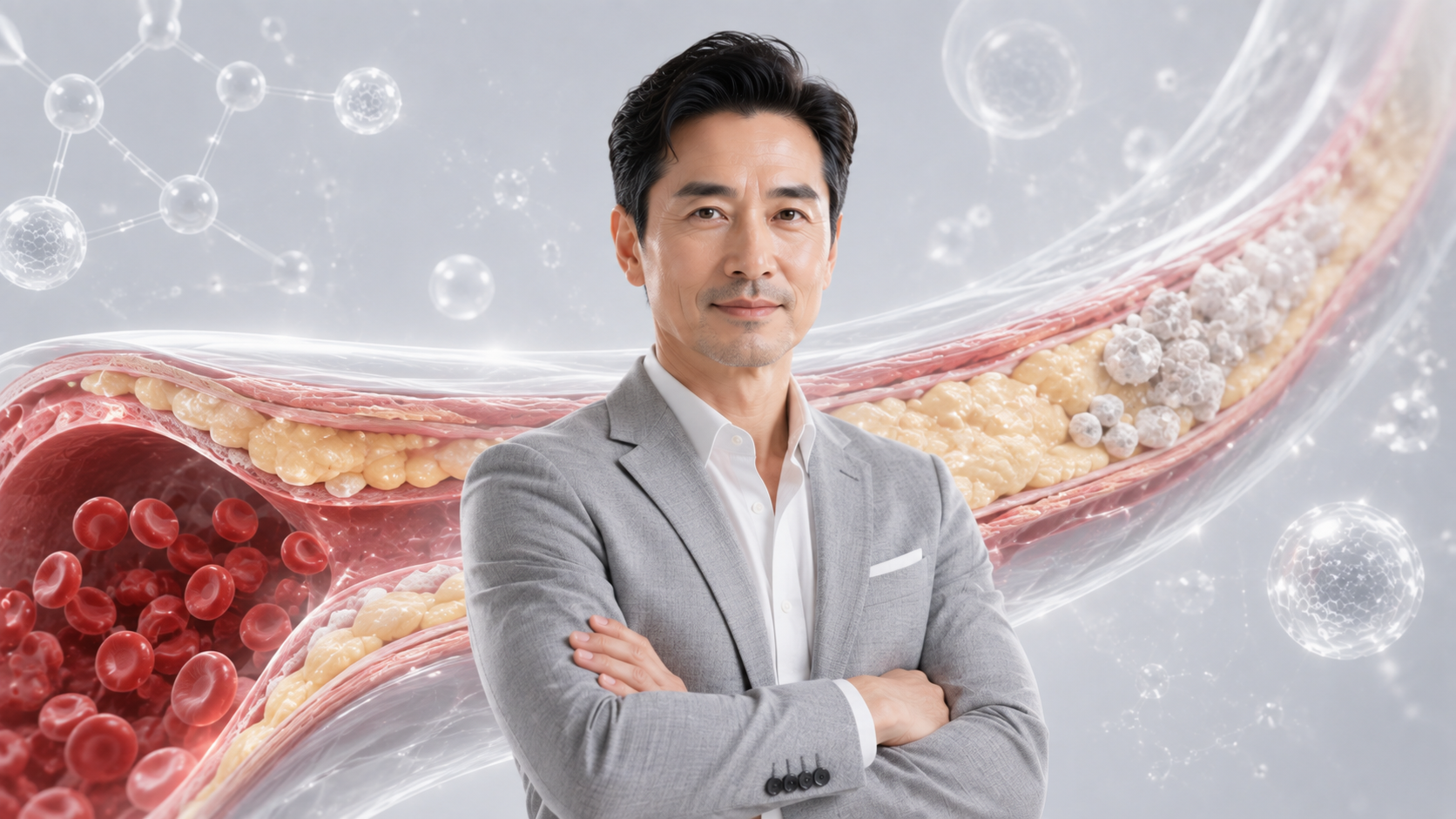
Blood vessels carry oxygen and nutrients throughout the body. Over time, fat, cholesterol and calcium can build up along vessel walls, forming vascular plaque. LINNA Clinic explains what plaque is, how to reduce the risk, and what to expect from Plaque-X, a phospholipid-based supportive therapy designed to help you and your loved ones maintain long-term vascular wellness.
Doctor-led assessment
Every program begins with a medical consultation and a comprehensive health assessment.
Certified standards
Licensed clinic, sterile protocols, and medical-grade equipment.
Personalised protocols
The number of sessions and treatment protocol are personalised according to your health condition, goals, and assessment results.
Blood vessels carry oxygen and nutrients throughout the body. Over time, fat, cholesterol and calcium can build up along vessel walls, forming vascular plaque. LINNA Clinic explains what plaque is, how to reduce the risk, and what to expect from Plaque-X, a phospholipid-based supportive therapy designed to help you and your loved ones maintain long-term vascular wellness.
Table of Contents
What Causes Plaque in Blood Vessels?
Vascular plaque, or atherosclerotic plaque, forms when fat, cholesterol, calcium and other substances accumulate on the inner lining of arteries. Over time these deposits harden and narrow the vessel, restricting blood flow. The main factors that contribute to plaque build-up include:
- Certain chronic conditions such as obesity, diabetes and high blood pressure, which promote low-grade inflammation inside the arteries.
- Family history. If a close relative has coronary or cerebrovascular disease, your risk of developing plaque may be higher.
- A diet high in fat, especially saturated and trans fats, can raise LDL cholesterol and encourage deposits in the artery wall.
- Lifestyle habits such as smoking, regular alcohol consumption, poor sleep and chronic stress.
How Can the Risk of Plaque Build-Up Be Reduced?
Plaque build-up can range from mild to severe and may lead to problems such as arterial blockage or cardiovascular disease. However, the risk can be reduced and progression slowed through the following approaches:
- Limit foods high in saturated fat — fried items, sweets, fatty cuts of meat and pastries — and choose heart-friendly options such as leafy greens, fresh fruit, whole grains and omega-3 and omega-6 sources including deep-sea fish, avocado, olive oil, chia seeds and walnuts.
- Exercise regularly. Aim for at least 150 minutes of physical activity per week to support metabolism, maintain a healthy weight and keep the cardiovascular system strong.
- Avoid risk behaviours. Stop smoking, limit alcohol, get enough rest and manage stress to reduce factors that can prematurely damage blood vessels.
- Consider supportive medical therapies. Today there are approaches that may help reduce lipid accumulation in blood vessels, such as Plaque-X, which uses plant-derived essential phospholipids to target plaque deposits and support overall vascular balance.
What Is Plaque-X Treatment?
Plaque-X Treatment, also known as phospholipid therapy, is a medical wellness procedure designed to support vascular health. It uses essential phospholipids (polyenylphosphatidylcholine, or PPC), a class of natural compounds extracted from plants such as soybeans. These phospholipids are introduced into the bloodstream, where they are thought to interact with lipid deposits along blood vessel walls.
It is administered intravenously under the supervision of a licensed medical professional. During the session, the phospholipid solution is infused slowly into a vein, allowing it to circulate through the vascular system. The procedure is typically performed in a clinical setting with monitoring throughout.
Essential phospholipids are believed to help emulsify lipid-rich deposits and support the body’s natural metabolic clearance of fats through the liver. In clinical literature, PPC has been studied for its potential role in influencing cholesterol transport and membrane stability, although individual results vary and more research is ongoing.
A small clinical study published in 2019 reported changes in lipid markers and vascular parameters among participants receiving phosphatidylcholine infusions. However, this evidence is preliminary, and Plaque-X should be regarded as a supportive wellness therapy rather than a replacement for conventional cardiovascular treatment prescribed by a cardiologist.
What May Plaque-X Treatment Help Support?
- Reduction of existing plaque deposits by helping to break down fatty build-up on artery walls and discouraging new plaque formation.
- Improved lipid balance by lowering LDL and triglyceride levels while supporting HDL, which plays a protective role in vascular health.
- Reduced vascular inflammation, which is linked to atherosclerosis, heart disease and cerebrovascular disease.
- Restored vessel flexibility and better cell-membrane function, supporting efficient circulation and overall wellbeing.
- Enhanced liver function and metabolic activity, helping the body process fats more effectively.
Who May Be Suitable for Plaque-X Treatment?
- People with abnormal blood lipid levels, such as high total cholesterol, high LDL or high triglycerides — the main drivers of plaque accumulation.
- People with coronary artery disease, cerebrovascular disease or atherosclerosis. A personal physician should assess overall health and risk before treatment, especially for those with multiple chronic conditions, a history of acute ischaemia or those taking anticoagulant medication.
- People with risk factors for heart or brain vascular disease, including genetic predisposition or co-existing conditions such as hypertension, diabetes and obesity.
- People with lifestyle risk factors such as being overweight, smoking, regular alcohol use, chronic stress, poor sleep or a sedentary routine.
- People with fatty liver or liver-health concerns that affect metabolism.
- People with circulation-related symptoms such as cold hands and feet, fatigue, easy tiredness or chronic muscle tension.
- People who want proactive, preventive vascular care over the long term.
Is Plaque-X Treatment Dangerous?
In general, Plaque-X Treatment is considered a supportive therapy with a favourable safety profile because the active ingredients are naturally derived essential phospholipids that are generally well tolerated and have been used in medical practice for many years. Nevertheless, treatment should always be supervised by an experienced physician who can evaluate suitability and safety for each individual, particularly for those with multiple chronic conditions, those taking anticoagulants or those with a history of allergies. This ensures the therapy is delivered effectively and safely.
Preparation Before Plaque-X Treatment
To ensure Plaque-X Treatment is safe and effective, clients should prepare the body according to the following guidelines:
- Consult a specialist physician before treatment to review overall health, medical history, current medications and allergies. Additional tests such as blood work, liver and kidney function, or an ECG may be requested if needed.
- Pause medications and supplements that affect blood clotting, such as aspirin, NSAIDs, fish oil, garlic, vitamin E and collagen, under medical guidance. Anyone on chronic medication should ask their doctor how long to stop safely.
- Drink plenty of water and avoid high-fat meals before the session.
- Stop smoking and avoid alcohol for at least 2–3 days before treatment.
- Avoid strenuous activities and get adequate rest on the day of the appointment.
Self-Care After Plaque-X Treatment
- Follow the doctor’s instructions carefully. Take any prescribed medication as directed and attend follow-up appointments to monitor progress.
- Drink plenty of water to help the body flush out broken-down waste and fat, supporting vessel recovery and flexibility.
- Get enough rest so the body can repair and restore itself.
- Adopt a heart-healthy lifestyle. Avoid high-fat, saturated and trans-fat foods; focus on vegetables, fruit and healthy fats; exercise regularly; and sleep well to reduce the chance of new plaque build-up.
- Seek medical attention immediately if you experience unusual symptoms such as dizziness, severe fatigue or signs of allergy or irritation.
If you are concerned about high blood lipids or plaque build-up and want to start caring for your heart and blood vessels seriously, book a consultation with a LINNA Clinic physician at any branch. Contact us via @linnaclinic or call 063-609-8888.
Consultation & pricing
plaque-x treatment is individually planned following a medical assessment. Please contact the LINNA care team for current pricing, available packages, and appointment availability.
- Medical consultation before every program
- Transparent pricing with no hidden fees
- Multilingual patient support in Thai, English, Japanese, Chinese, and Arabic