
Chelation
Chelation Therapy
In modern life, people may be exposed to environmental pollution and various substances from multiple sources. Some substances can enter and accumulate in the body without being immediately noticeable. When exposure or accumulation becomes significant, it may contribute to oxidative stress and affect normal bodily functions. Several types of substances may be associated with health concerns, as described below.
Doctor-led assessment
Every program begins with a medical consultation and a comprehensive health assessment.
Certified standards
Licensed clinic, sterile protocols, and medical-grade equipment.
Personalised protocols
The number of sessions and treatment protocol are personalised according to your health condition, goals, and assessment results.
In modern life, people may be exposed to environmental pollution and various substances from multiple sources. Some substances can enter and accumulate in the body without being immediately noticeable. When exposure or accumulation becomes significant, it may contribute to oxidative stress and affect normal bodily functions. Several types of substances may be associated with health concerns, as described below.
- Chemical exposure: This may include certain food additives, artificial colours, flavourings, monosodium glutamate, cosmetics and personal-care products such as shampoo, hair dye, lipstick and nail polish, as well as some medications. Exposure may occur through ingestion, inhalation or skin contact
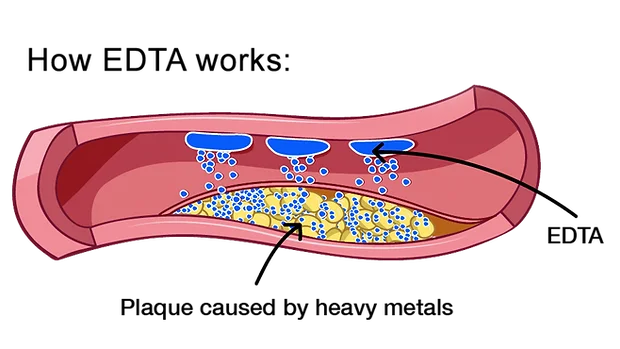
- Heavy-metal exposure: Possible sources include vehicle emissions, industrial pollution, pesticides, lead and other heavy metals. Significant exposure or accumulation may affect the nervous system and other organs
- Formaldehyde exposure: Possible sources may include improperly preserved food, certain food or beverage containers and plastic bags used for hot food
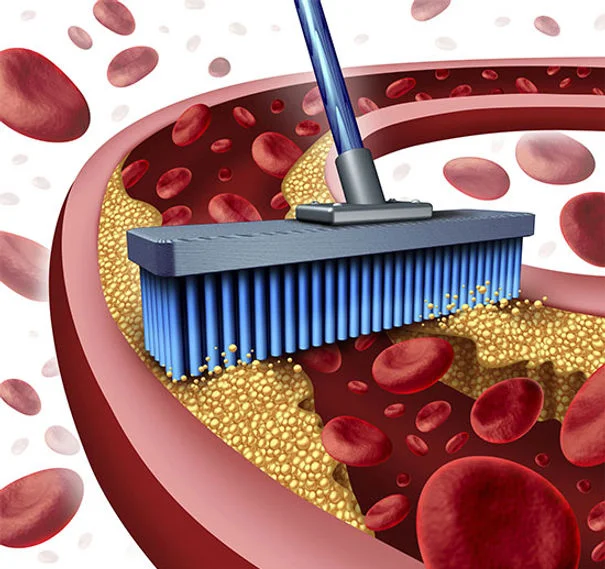
Chelation therapy uses a chelating agent that binds to specific metals in the body. The resulting compounds are then eliminated primarily through the urine. The type of chelating agent and treatment protocol must be selected according to the identified substance, the patient’s condition and the physician’s assessment.
- Chelating agents are medically used to bind and support the removal of certain heavy metals from the body
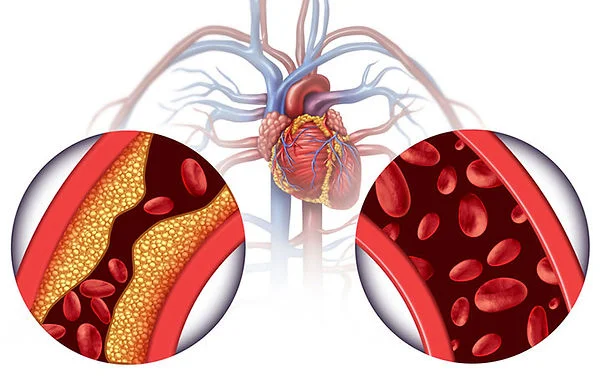
- Treatment may support circulation when medically indicated and appropriately prescribed, depending on the patient’s condition
- May help reduce oxidative stress associated with certain toxic-metal exposure
- Treatment planning may include the evaluation of vascular, metabolic and endocrine health when clinically appropriate
- May support the reduction of health effects associated with confirmed heavy-metal exposure under medical supervision
- Important note: Chelation therapy is an established medical treatment for certain types of heavy-metal poisoning. Its use for cardiovascular disease, anti-ageing, cancer prevention or general detoxification requires careful medical evaluation, and benefits should not be considered guaranteed. Chelation therapy does not replace standard medical treatment.
- Individuals with a history of severe allergic reaction to EDTA or another ingredient in the infusion
- Individuals with stage 4–5 chronic kidney disease, unless specifically evaluated and managed by the treating nephrologist, including patients receiving renal dialysis
- Individuals with acute lead encephalopathy, who require urgent specialist or hospital-based treatment
- Individuals who have undergone total thyroidectomy or have hypoparathyroidism, unless specifically assessed and approved by the treating physician
- Suitability must also be assessed carefully in pregnant or breastfeeding individuals, people with heart, liver or kidney disease, those with electrolyte abnormalities and those taking medications that may interact with treatment.
Side effects may occur after chelation therapy and vary among individuals. Some symptoms may be temporary, but patients should be monitored because certain complications can be serious.
- Headache
- Low blood calcium levels
- Low blood glucose levels
- Fatigue lasting approximately 24–48 hours after treatment
- Skin rash
- Inflammation of the vein or infusion site
- Nausea or vomiting
- Reduced blood pressure due to vascular relaxation; some individuals may experience increased blood pressure
- Allergic reaction to EDTA or another ingredient in the infusion solution
- Safety note: Chelation therapy can affect calcium, electrolytes and kidney function. It must be administered under medical supervision with appropriate evaluation, dosage control and monitoring. Seek immediate medical attention for breathing difficulty, facial swelling, severe weakness, chest pain, fainting, confusion or other severe symptoms.
Consultation & pricing
chelation treatment is individually planned following a medical assessment. Please contact the LINNA care team for current pricing, available packages, and appointment availability.
- Medical consultation before every program
- Transparent pricing with no hidden fees
- Multilingual patient support in Thai, English, Japanese, Chinese, and Arabic