In an era where healthcare is a top priority, innovative treatments like Ozone Therapy have gained widespread attention for their ability to rejuvenate the body from within. With a variety of techniques such as Direct Intravenous Ozone, Major Autohemotherapy, Hyperbaric Ozone Therapy and EBOO Therapy, there are options to cater to both patients and those seeking preventive healthcare. This article from LINNA Clinic compiles essential information about ozone therapy, compares the strengths of each technique and reveals why EBOO Therapy is recognized as a highly safe and effective method. Additionally, it includes reviews of the blood of patients who have undergone Ozone Therapy using the EBOO Technique at LINNA Clinic.
How many types of ozone therapy are there?
Ozone therapy has evolved into various forms, each with its unique characteristics and applications. Here's a breakdown of the primary techniques:
- Direct Intravenous Ozone (DIV) This method involves directly injecting a mixture of oxygen and ozone at a concentration of 30 µg/ml into a vein. While DIV offers rapid body rejuvenation, it carries a higher risk due to the high ozone concentration used.
- Major Autohemotherapy (MAH) In this technique, approximately 200 ml of blood is drawn from the body, mixed with high-concentration ozone at 20-50 µg/ml in a blood bag, and then returned to the body.
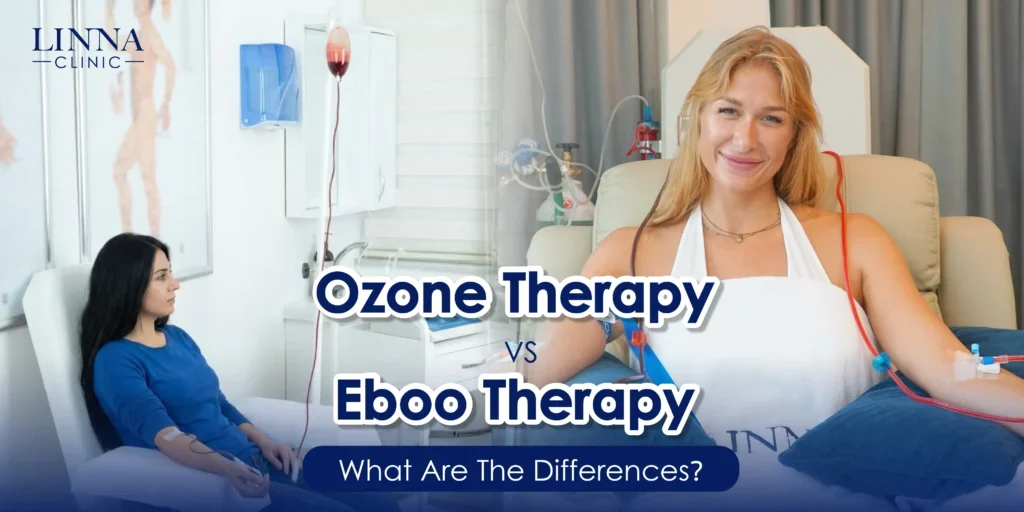
- Hyperbaric Ozone Therapy (HBO3) HBO3 involves the use of high levels of ozone. A small amount of blood, approximately 200 ml, is drawn, mixed with ozone at 20-70 µg/ml, and returned to the body. This process can be repeated up to 10 times in a single session, hence the term "10-Pass Ozone Therapy." This technique stimulates blood cells and the immune system, making it suitable for short-term immune boosting and detoxification. However, individuals undergoing HBO3 Therapy must have strong veins to withstand multiple blood draws in one session.
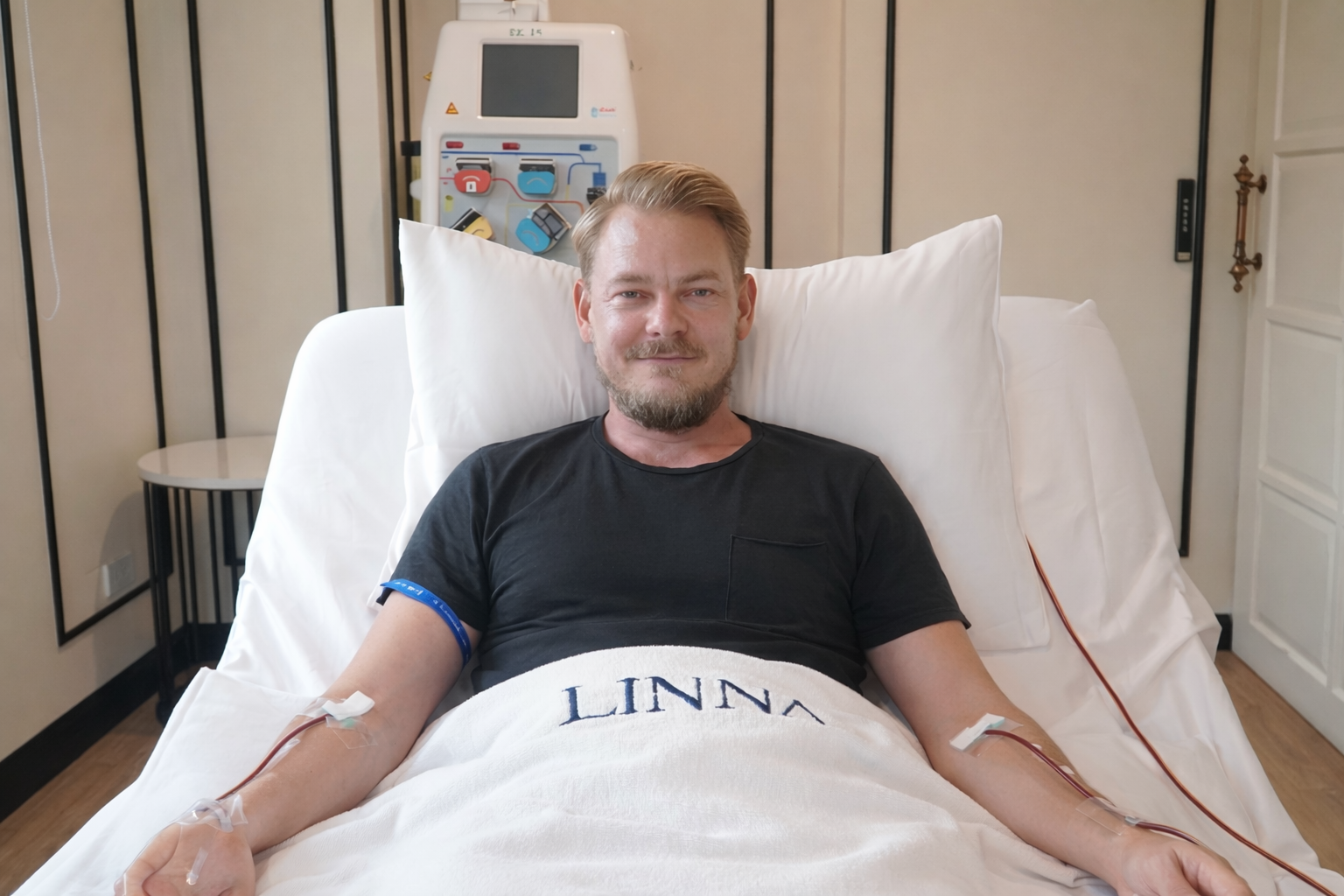
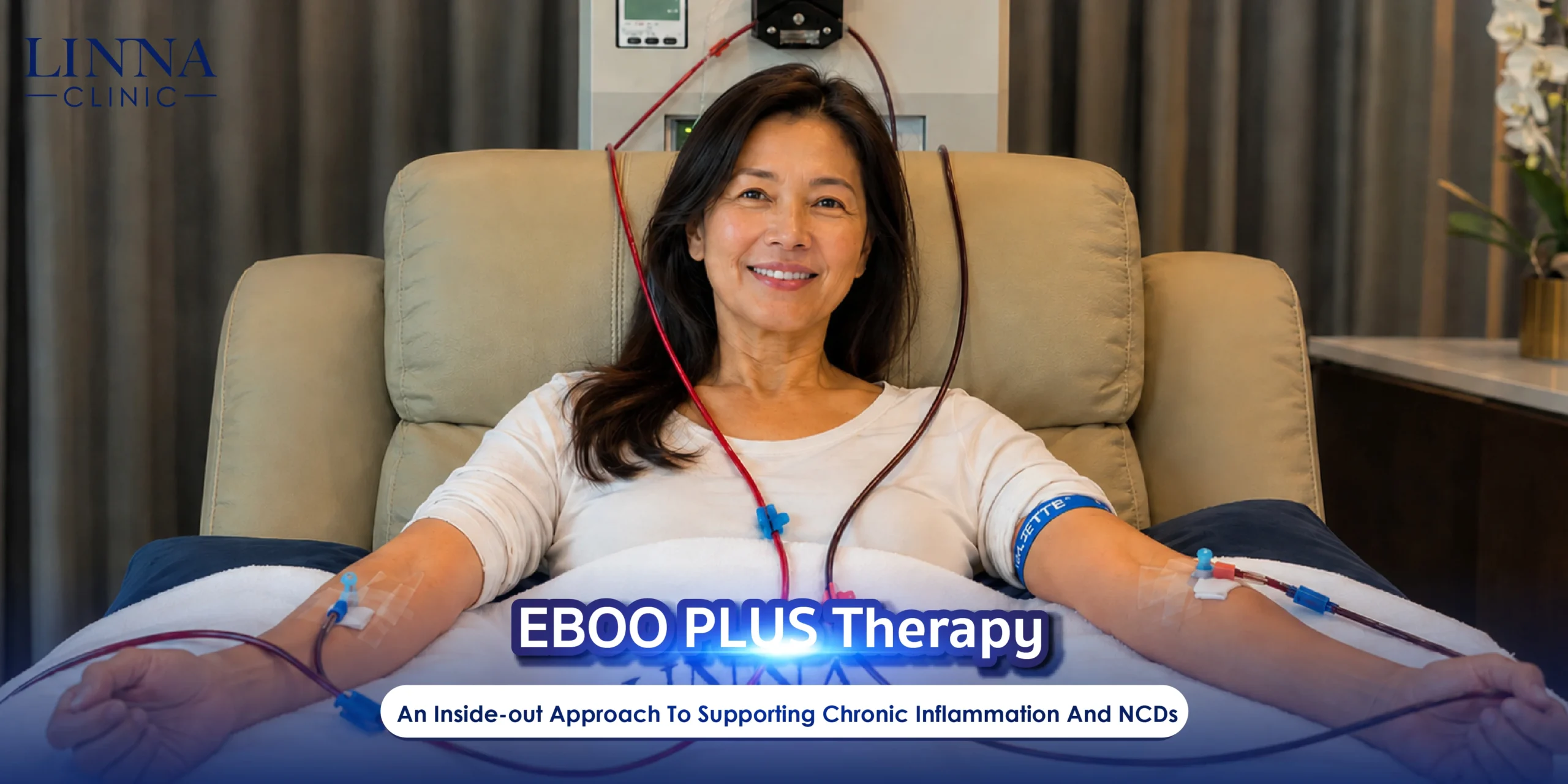
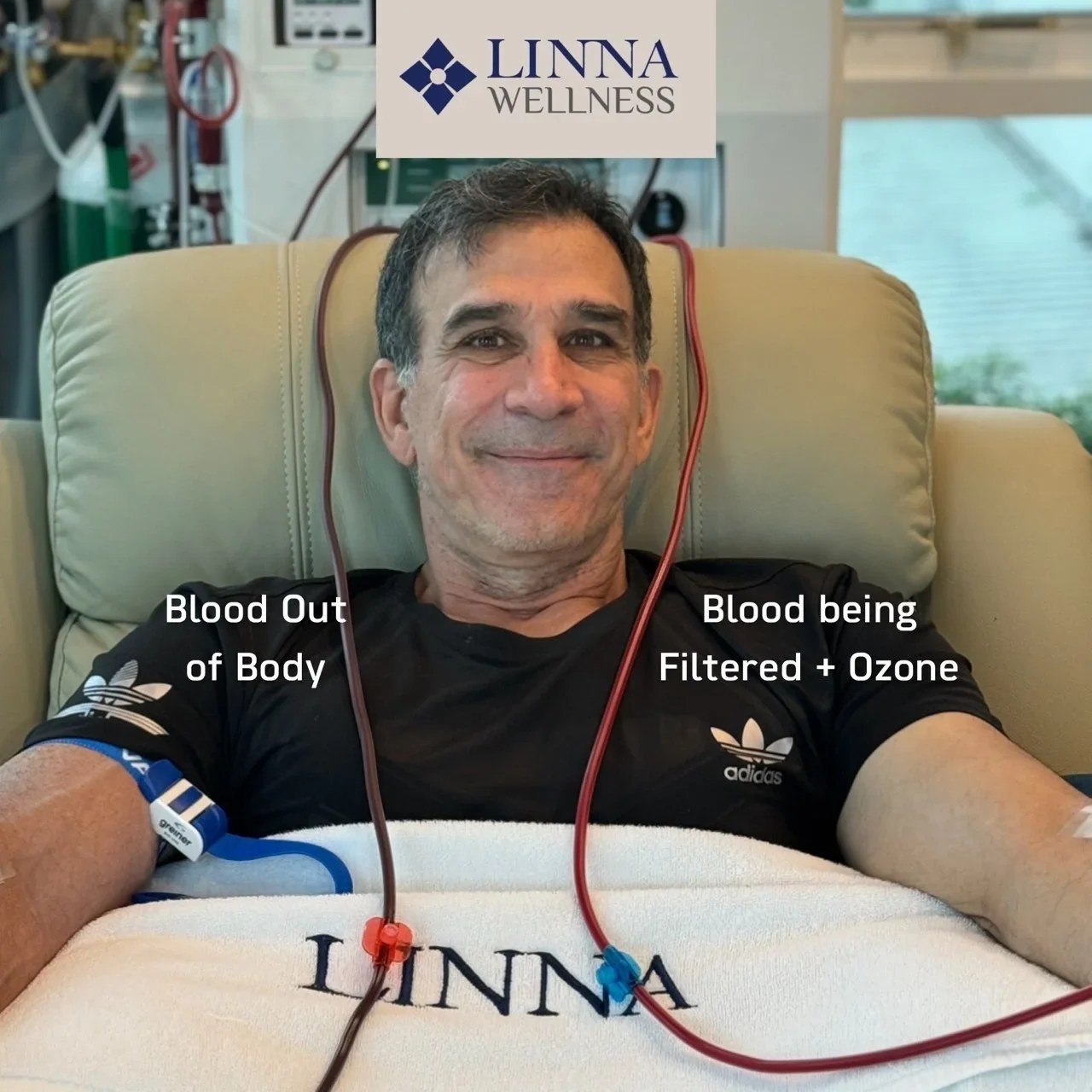
- EBOO Therapy (Extracorporeal Blood Oxygenation and Ozonation) EBOO involves continuously infusing ozone into the bloodstream for 45-60 minutes using a low concentration of ozone at approximately 0.1-20 µg/ml, depending on each patient. This significantly reduces the risk of ozone toxicity. Additionally, this technique incorporates real-time monitoring of red blood cell characteristics, allowing medical professionals to immediately stop the treatment if any abnormalities are detected. EBOO can also filter waste products from the blood.
Comparing Hyperbaric High-Dose Ozone Therapy, or 10-Pass Ozone Therapy, and EBOO Therapy
1. Hyperbaric Ozone Therapy (10-Pass Ozone Therapy)
- How it works This therapy involves using high concentrations of ozone. Approximately 200 ml of blood is drawn from the body, mixed with ozone at a concentration of 20-70 µg/ml, and then returned to the body. This process can be repeated up to 10 times per session, hence the term "10-Pass Ozone Therapy."
- Ozone dosage The maximum ozone dose received is 14,000 micrograms when the procedure is repeated 10 times in one session.
- Advantages This method delivers a high amount of ozone to the body, making it effective for quickly boosting the immune system. It may be suitable for those seeking rapid recovery from severe illnesses or injuries. It also supports detoxification and immune stimulation.
- Considerations Directly injecting high concentrations of ozone may lead to side effects such as blood vessel irritation, blood vessel damage and ozone toxicity. It may not be possible to predict when red blood cells could rupture during treatment. The procedure should only be performed under the supervision of a qualified medical professional.
2. EBOO Therapy (Extracorporeal Blood Oxygenation and Ozonation)
- How it works Blood is drawn from a vein and passed through a sterile filter to remove waste products and toxins. Pure ozone at a concentration of approximately 0.1-20 µg/ml is then added to the blood using an ozone generator. The treated blood is slowly returned to the body through a vein in the other arm.
- Ozone dosage The amount of ozone received can be calculated according to the blood flow rate (mL/min) x the concentration of ozone used x the treatment duration (60 minutes), divided into three intensity levels as follows:
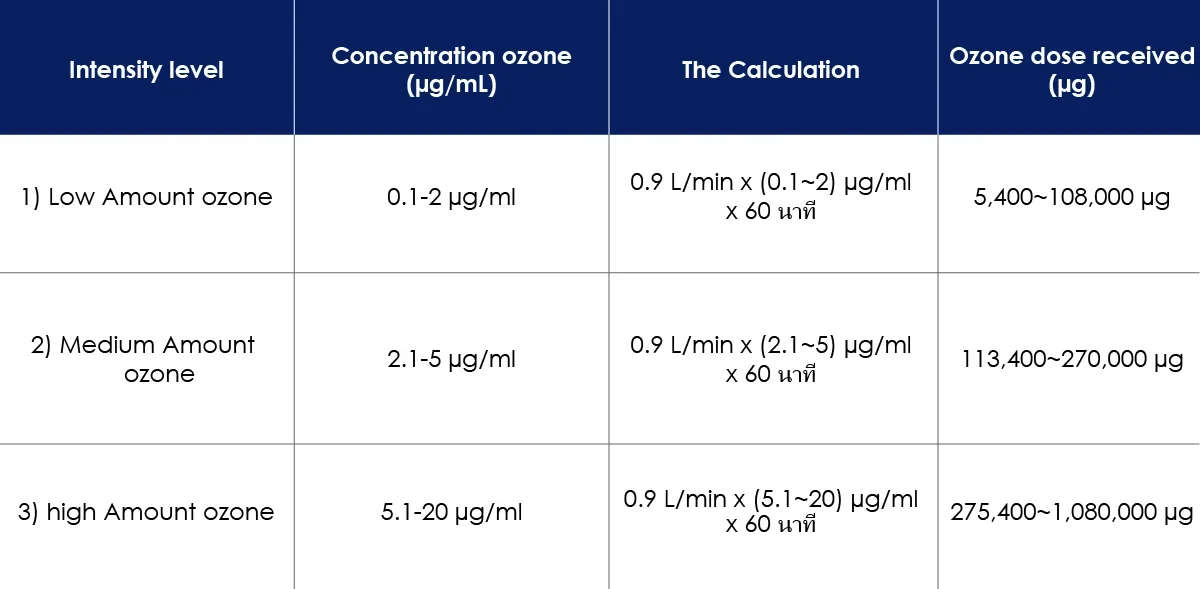
| Intensity Level | Ozone Concentration (µg/mL) | Calculation | Ozone Dose Received (µg) |
|---|---|---|---|
| 1) Low Amount ozone | 0.1-2 µg/ml | 0.9 L/min x (0.1~2) µg/ml x 60 minutes | 5,400~108,000 µg |
| 2) Medium Amount ozone | 2.1-5 µg/ml | 0.9 L/min x (2.1~5) µg/ml x 60 minutes | 113,400~270,000 µg |
| 3) high Amount ozone | 5.1-20 µg/ml | 0.9 L/min x (5.1~20) µg/ml x 60 minutes | 275,400~1,080,000 µg |
The specific ozone concentration and blood flow rate used for each individual may differ and must be determined by the treating physician.
- Advantages Continuous low-dose ozone administration may enhance oxygen binding to red blood cells and increase oxygen delivery to cells. The low-dose approach enables precise control, allowing treatment to be tailored to individual needs and reducing the risk of ozone toxicity. Individuals with certain blood disorders, such as thalassemia or G6PD deficiency, may also be considered for this treatment after consultation with a specialized physician. The machine's built-in blood filtration system and red blood cell monitoring further support treatment efficacy and safety.
- Considerations Sessions typically last approximately 45-60 minutes. The procedure requires highly skilled medical professionals and is generally more expensive than other ozone therapy methods.
Why EBOO Therapy is Better and Safer Than Other Techniques
- Lower ozone concentration and reduced risks EBOO Therapy uses a continuous, low-dose ozone infusion at approximately 0.1-20 µg/ml, significantly reducing the risk of ozone toxicity and red blood cell damage. Research has shown that EBOO may effectively increase oxygen levels and stimulate the immune system, making it suitable for individuals with fragile blood cells, such as those with thalassemia or G6PD deficiency.
- Simultaneous blood filtration The integrated blood filtration system removes waste products and toxins while ozone is being infused, supporting overall body rejuvenation.
- Real-time monitoring Real-time red blood cell monitoring allows for immediate intervention if any abnormalities are detected, supporting patient safety.
- Advanced technology LINNA Clinic's EBOO Therapy utilizes advanced equipment, including motors, ozone generators and filters from technologically advanced countries such as the United States, Russia and Japan. This allows precise and stable ozone delivery, supporting treatment efficacy and safety.
How Does EBOO Therapy Vary Between Service Providers?
While the core principles of EBOO Therapy are consistent across different facilities, variations in technology, provider experience and attention to detail can significantly affect treatment efficacy and safety. These differences include:
- Blood pressure regulation techniques Maintaining stable blood pressure during EBOO Therapy is crucial. High-quality facilities use equipment capable of precise and delicate pressure adjustments to support optimal treatment outcomes.
- Customized ozone concentrations and gas flow rates The ozone concentration and gas flow rate should be tailored to each patient's needs. Individuals with chronic conditions, high blood pressure or fragile red blood cells may require customized settings to minimize risks and maximize benefits.
- Physician expertise and experience The skill and experience of the treating physician are essential. A qualified professional can accurately assess the patient's health, determine appropriate treatment parameters and closely monitor the procedure.
- Sterilization and hygiene Rigorous sterilization protocols are essential to prevent infection. Patients should choose facilities that follow strict hygiene standards and have highly experienced providers.
Why Is Low-Dose Ozone Therapy Better Than High-Dose Ozone Therapy?
- Reduced risk of toxicity Lower ozone doses minimize the risk of damaging red blood cells or causing systemic oxidative stress.
- Long-term safety Regular low-dose treatments are generally well tolerated and may be repeated under appropriate medical supervision.
- Suitable for vulnerable populations Individuals with chronic conditions such as thalassemia, G6PD deficiency or diabetes may be considered for low-dose ozone therapy after consultation with a physician.
How to Measure Results After EBOO Therapy
Post-EBOO Therapy blood test results may reveal changes such as increased blood oxygen levels and decreased inflammation when compared with pre-treatment results. Some patients have blood tests performed before EBOO Therapy and again after approximately three to five sessions to evaluate changes in their results. Patients commonly report feeling more refreshed, experiencing less fatigue and noticing improved sleep quality. Consistent EBOO Therapy may also support individuals with chronic conditions such as hypertension, diabetes and cardiovascular diseases.
Who Is EBOO Therapy Suitable For?
- Individuals experiencing chronic fatigue.
- Those recovering from severe illnesses, including post-COVID-19 recovery.
- Patients with chronic diseases such as diabetes, hypertension, cardiovascular diseases, autoimmune disorders, allergies and asthma.
- Individuals with fragile red blood cells, such as those with thalassemia or G6PD deficiency.
- People experiencing sexual dysfunction.
- Those seeking to support their immune system and overall health.
- Healthy individuals interested in preventive healthcare.
LINNA Clinic's EBOO Therapy Reviews
At LINNA Clinic, we offer ozone therapy using the advanced EBOO PLUS Technique, carefully supervised by doctors with over 13 years of experience and more than 30,000 real treatment cases. This ozone therapy program is suitable for individuals who wish to maintain their health, as well as those with chronic conditions such as high blood pressure, diabetes or cardiovascular disease. It may also be suitable for individuals experiencing chronic fatigue and those who wish to restore their health after illness, including people recovering from COVID-19 or managing post-vaccination symptoms. If you are interested, please feel free to book an appointment or consult with us at Telephone 063-609-8888 or LINE @linnaclinics.
This article has been prepared and reviewed by the LINNA Clinic medical team.
Interested in this program or need personalised advice?
The LINNA Clinic team is ready to help you choose the program that suits you best.